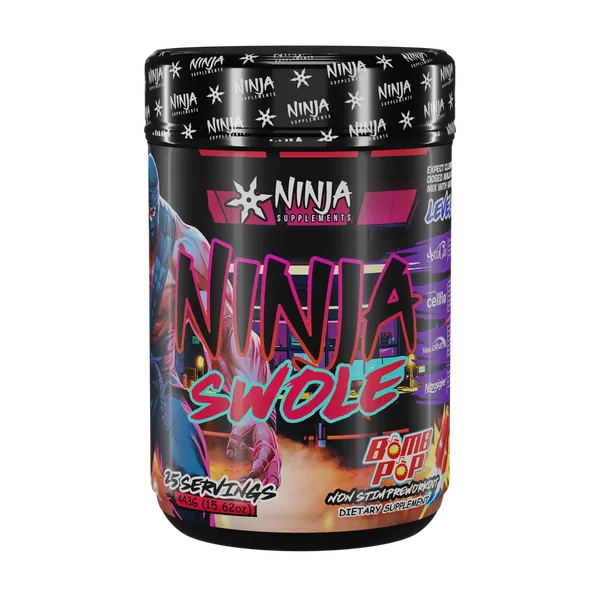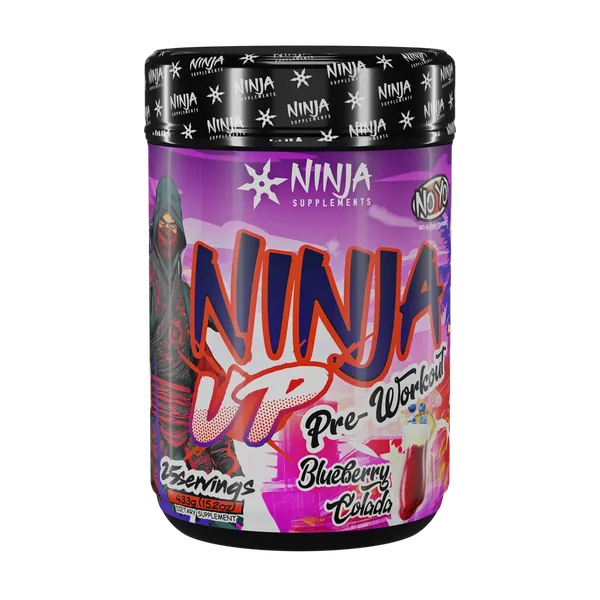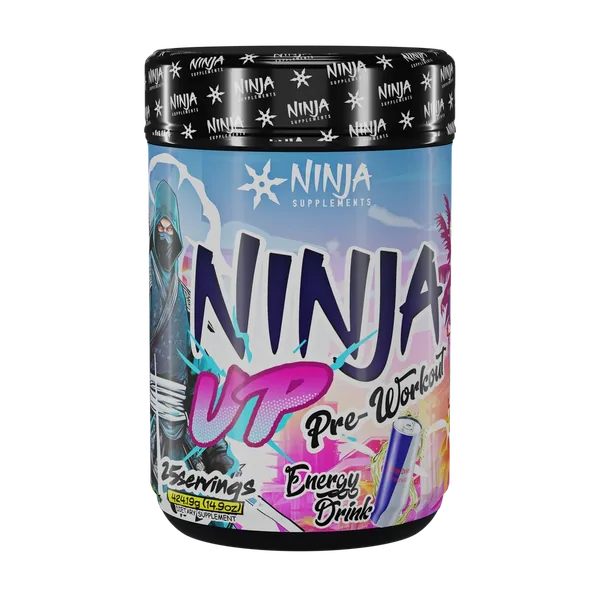


You know that feeling when your go-to pre-workout used to have you bouncing off the walls, ready to demolish every set, but now it barely gets you through your warm-up? Welcome to the world of stimulant tolerance, and if you’re nodding your head right now, this article is for you.
Building stimulant tolerance is one of the most frustrating experiences for anyone serious about maximizing their training performance. Your body is an incredibly adaptive machine, and when you consistently expose it to the same stimulants at the same doses, it learns to compensate. The result? Those pre-workout supplements that once helped you crush your workouts now feel like expensive flavored water.
Understanding the signs of high stimulant tolerance isn’t just about getting better workouts. It’s about training smarter, protecting your health, and maintaining long-term performance gains. Let’s break down the seven telltale signs that your stimulant tolerance has climbed too high and what you can actually do about it.
What Is Stimulant Tolerance and Why Does It Matter?

Stimulant tolerance occurs when your body’s response to stimulants like caffeine, synephrine, or other energizing compounds decreases over time with repeated exposure. At the cellular level, your adenosine receptors (the ones caffeine blocks to prevent drowsiness) actually increase in number and sensitivity. Your nervous system also downregulates certain neurotransmitter receptors to maintain homeostasis.
This adaptation mechanism is your body’s way of saying, “I’m getting too much of this stuff, so I need to adjust.” While tolerance development is natural, it can seriously impact your training quality, sleep patterns, and overall supplement effectiveness. The transparency we value at Ninja Supplements means being honest about this reality: even the most perfectly formulated pre-workout with clinically dosed ingredients will lose effectiveness if you’ve built significant tolerance.
Sign #1: You Need Multiple Scoops to Feel Anything
The most obvious sign of elevated stimulant tolerance is dose escalation. If you started with one scoop of your pre-workout and now you’re doubling or tripling that dose just to get the same energy boost, your tolerance has skyrocketed.
This pattern is dangerous for several reasons. First, while you might have developed tolerance to the energizing effects, you haven’t necessarily built tolerance to the cardiovascular stress that high stimulant doses create. Second, many pre-workouts contain multiple ingredients beyond caffeine (beta-alanine, citrulline malate, betaine), and mega-dosing these compounds doesn’t necessarily provide additional benefits and may cause digestive issues.
If you’re consistently exceeding the recommended serving size, it’s time to address your tolerance rather than your dosage.
Sign #2: Your Pre-Workout Stops Working Mid-Workout
Remember when your pre-workout carried you through your entire training session with sustained energy and laser focus? Now you’re hitting a wall halfway through your workout, feeling your motivation drain away right when you need it most.
This crash happens because your body has become so efficient at metabolizing and clearing stimulants that the half-life effectively shortens. Your liver enzymes (particularly CYP1A2, which metabolizes caffeine) can increase their activity with chronic stimulant exposure, meaning your body processes and eliminates these compounds faster than before.
When your energy nosedives mid-session, forcing you to either cut your workout short or push through with significantly reduced intensity, that’s your body waving a red flag about your stimulant tolerance.
Sign #3: You’re Experiencing Sleep Disruption Despite Fatigue
Here’s a paradox that many people with high stimulant tolerance face: you feel exhausted throughout the day, yet when bedtime rolls around, you’re staring at the ceiling unable to fall asleep. Even if you cut off caffeine intake by early afternoon, you’re still experiencing sleep quality issues.
High stimulant tolerance creates a vicious cycle. Your adenosine receptors are upregulated, meaning you need more adenosine accumulation to feel sleepy. Meanwhile, your adrenal system is overworked from constant stimulation, disrupting your natural cortisol rhythm. You’re tired but wired, a recipe for poor recovery and decreased training performance.
Quality sleep is where muscle growth and neural recovery happen. If your stimulant use is sabotaging your sleep, you’re actively undermining your fitness goals no matter how hard you train.
Sign #4: You Feel Anxious or Jittery Instead of Focused
When stimulant tolerance develops, the experience changes from clean, focused energy to uncomfortable physical sensations without the performance benefits. You might experience increased heart rate, sweaty palms, racing thoughts, or general anxiety, but without the mental clarity and motivation you’re looking for.
This happens because different aspects of the stimulant response develop tolerance at different rates. The cognitive enhancement and mood elevation effects typically fade faster than the physiological arousal effects. You end up with all the uncomfortable side effects but none of the benefits that made you take stimulants in the first place.
If your pre-workout makes you feel like you’re about to jump out of your skin rather than jump into your workout, your tolerance has shifted the risk-benefit ratio in the wrong direction.
Sign #5: Your Performance Has Plateaued Despite Consistent Training
You’re showing up to the gym regularly, following your program, eating right, but your numbers aren’t moving. Your energy levels fluctuate wildly, and your workout intensity has become inconsistent. While training plateaus have many causes, chronic high-dose stimulant use is an often-overlooked culprit.
Elevated stimulant tolerance impacts performance through multiple mechanisms. Your HPA (hypothalamic-pituitary-adrenal) axis becomes dysregulated, affecting hormone production including testosterone and growth hormone. Your recovery quality suffers due to poor sleep. Your central nervous system becomes chronically fatigued from overstimulation.
The irony is brutal: the supplements you’re taking to enhance performance are actually holding you back once tolerance becomes too high.
Sign #6: You Experience Withdrawal Symptoms on Rest Days
Do you wake up on rest days with splitting headaches, extreme fatigue, brain fog, or irritability? These withdrawal symptoms indicate physical dependence on stimulants, which goes hand-in-hand with high tolerance.
Caffeine withdrawal is well-documented in scientific literature, with symptoms typically appearing 12-24 hours after your last dose and peaking around 20-51 hours. Common symptoms include headache, fatigue, decreased alertness, depressed mood, difficulty concentrating, and flu-like symptoms.
If skipping your morning coffee or pre-workout makes you non-functional, your tolerance (and dependence) has reached problematic levels. Your body should be able to operate at a baseline level without chemical assistance.
Sign #7: You Need Stimulants for Basic Daily Function
The final and most concerning sign is when stimulants transition from workout enhancers to daily necessities. If you can’t get out of bed, function at work, or feel remotely human without multiple doses of caffeine or other stimulants, you’ve crossed a critical threshold.
This level of dependence indicates that your natural energy production systems (mitochondrial function, neurotransmitter synthesis, adrenal output) have become suppressed by chronic stimulant use. You’re no longer enhancing normal function; you’re compensating for suppressed function.
How to Reset Your Stimulant Tolerance Effectively
Recognizing you have high stimulant tolerance is step one. Now let’s talk about practical strategies to reset your sensitivity and get back to crushing your workouts without needing astronomical doses.
The Complete Reset: Strategic Tolerance Break
The most effective approach is a complete stimulant break for 4-8 weeks. Yes, it sounds brutal, but research shows significant adenosine receptor normalization occurs within this timeframe. The first week is the hardest (expect withdrawal symptoms), but by week two, most people report feeling surprisingly good as their natural energy systems reboot.
During your tolerance break, focus on sleep optimization, proper hydration (aim for half your bodyweight in ounces daily), and whole food nutrition with adequate B vitamins and minerals that support natural energy production. Consider non-stimulant pre-workouts containing ingredients like citrulline malate (6000-8000mg), beta-alanine (3200-6400mg), and betaine anhydrous (2500mg) to maintain workout quality without stimulants.
The Gradual Reduction Protocol
If a complete break isn’t feasible, gradually reduce your stimulant intake by 25% every week. If you’re consuming 400mg of caffeine daily, drop to 300mg for week one, 225mg for week two, and so on. This approach minimizes withdrawal symptoms while still allowing tolerance reduction.
Strategic Cycling for Long-Term Success
Once you’ve reset your tolerance, implement a cycling protocol to prevent it from building back up. Use stimulant-containing pre-workouts 3-4 days per week maximum, alternating with stimulant-free options on other training days. Take a full week off stimulants every 8-12 weeks as a mini-reset.
This cycling approach allows you to benefit from pre-workout supplementation when you need it most (during high-intensity sessions or when training while sleep-deprived) without developing the tolerance that makes them ineffective.
Support Your Natural Energy Systems
Build habits that enhance your baseline energy without stimulants. Prioritize 7-9 hours of quality sleep, maintain consistent meal timing to stabilize blood sugar, include adaptogenic herbs like rhodiola or ashwagandha, and ensure adequate intake of iron, magnesium, and B-vitamins which are crucial for energy metabolism.
Regular cardiovascular exercise also improves mitochondrial density and efficiency, literally increasing your cells’ ability to produce energy. The fitter you become, the less you’ll rely on external stimulants for basic function.
Frequently Asked Questions
How long does it take to reset stimulant tolerance?
Significant stimulant tolerance reduction typically occurs within 4-8 weeks of complete abstinence. Adenosine receptor density begins normalizing within 7-12 days, but full nervous system recovery and neurotransmitter balance restoration takes longer. Most people notice substantial improvements by week 2-3, with near-complete tolerance reset by week 6-8. Individual factors like consumption duration, dose, genetics, and overall health influence this timeline.
What is the 28 day rule for ADHD medication?
The 28-day rule refers to insurance and pharmacy regulations requiring 28 days between prescription refills for controlled substances including ADHD stimulant medications. This regulation exists to prevent stockpiling and misuse of controlled substances like Adderall or Vyvanse. It’s an administrative safeguard rather than a medical guideline about tolerance or effectiveness.
What is the 24 hour rule for ADHD?
The 24-hour rule for ADHD medication refers to the waiting period between doses to prevent dangerous accumulation and overdose. Most stimulant ADHD medications should not be taken more frequently than once every 24 hours unless specifically prescribed otherwise. This timing allows the medication to clear your system and reduces the risk of excessive stimulant buildup, which can cause cardiovascular complications and severe side effects.
Why is my tolerance to Adderall so high?
High Adderall tolerance develops through neuroadaptation: your brain adjusts to regular stimulant presence by downregulating dopamine and norepinephrine receptors while upregulating opposing systems. Factors affecting tolerance development include dosage, frequency of use, individual metabolism (CYP2D6 enzyme variations), genetic factors, and duration of use. Some people are genetically fast metabolizers who develop tolerance more quickly. Chronic stress, poor sleep, and inadequate nutrition can also accelerate tolerance development.
Level Up Your Training the Smart Way
High stimulant tolerance doesn’t mean you’re weak or doing something wrong. It means you’re human and your body is doing exactly what bodies do when exposed to the same stimulus repeatedly. The Ninjas who crush their long-term goals are the ones who train smart, not just hard.
Recognizing these seven signs gives you the power to make strategic changes before tolerance completely undermines your performance. Whether you choose a complete reset, gradual reduction, or implement smarter cycling strategies, taking action now will pay dividends in workout quality, overall health, and sustainable progress.
Your best workouts shouldn’t require constantly escalating stimulant doses. With proper tolerance management, you can maximize the effectiveness of clinically dosed pre-workout ingredients while maintaining the energy and focus you need to absolutely dominate your training sessions. Reset your tolerance, level up your approach, and get back to crushing your goals the right way.