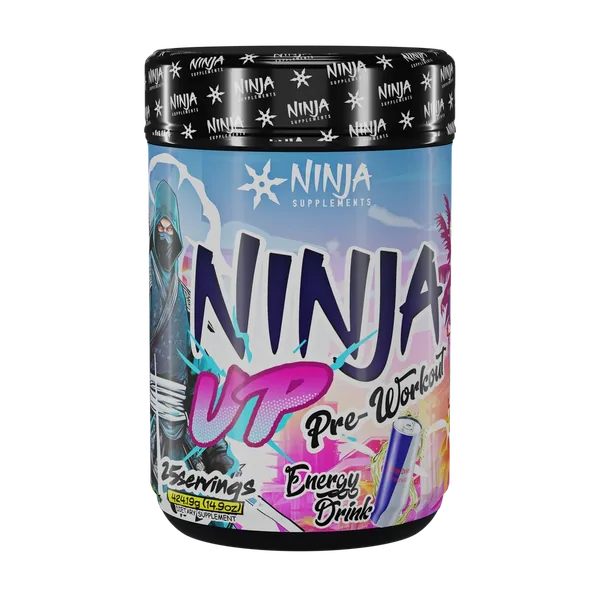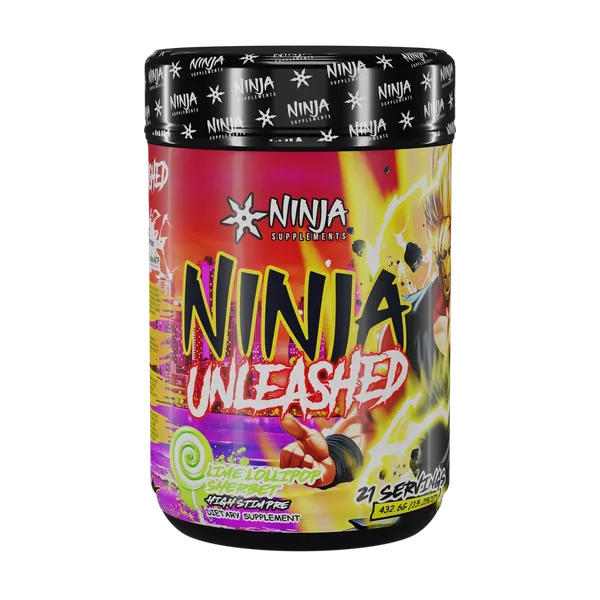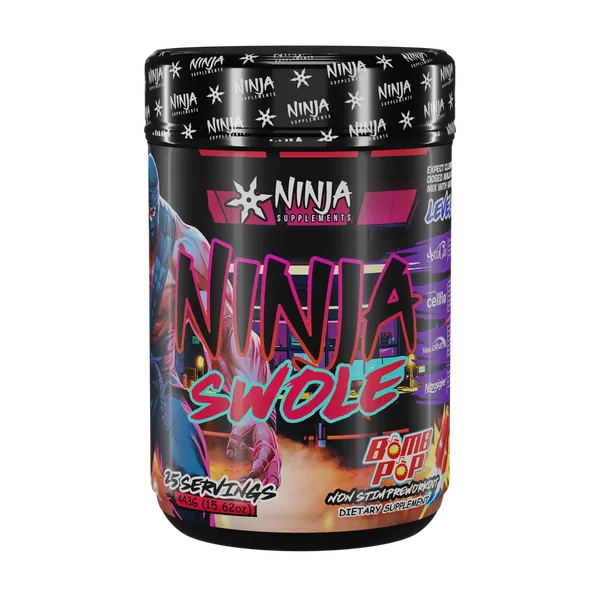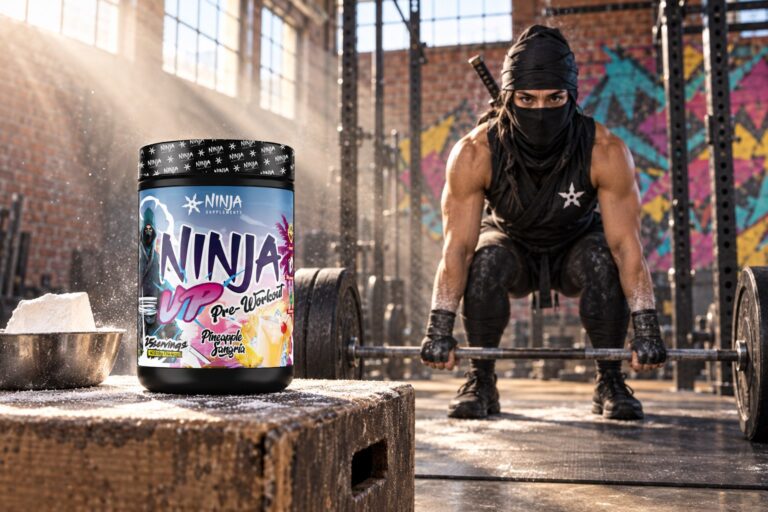

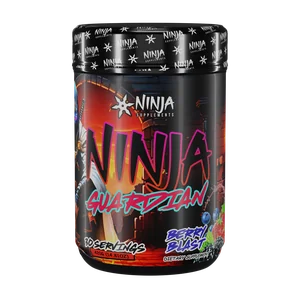
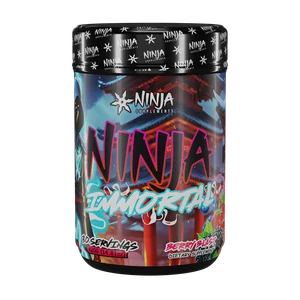
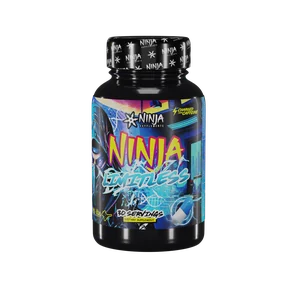
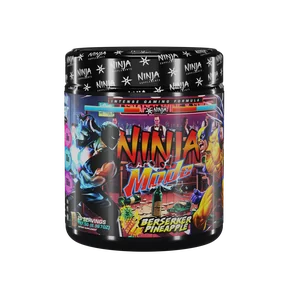
That unmistakable tingling sensation crawling across your skin about fifteen minutes after slamming your pre-workout isn’t a sign something’s wrong. It’s actually proof that one of the most scientifically-backed performance ingredients is actively working in your system. Those beta-alanine tingles, technically called paresthesia, have become the signature calling card of effective pre-workout supplements, yet they continue to catch new lifters off guard and spark countless forum debates about what’s really happening beneath your skin.
Understanding why pre-workout tingles occur, what they actually mean for your performance, and how to manage the sensation will help you maximize every scoop of your supplement stack without second-guessing whether you’re experiencing something normal or concerning.
What Exactly Are Beta-Alanine Tingles?

The technical term for pre-workout tingles is paresthesia, a temporary sensory experience characterized by tingling, itching, or pins-and-needles feelings on your skin. When you experience paresthesia beta-alanine triggers, you’re feeling your body’s response to a rapid increase in this amino acid’s concentration in your bloodstream.
Beta-alanine is a non-essential amino acid that combines with histidine in your muscles to form carnosine, a critical buffer against the acid buildup that causes muscle fatigue during intense training. The tingles themselves have nothing to do with this performance benefit. They’re simply a harmless side effect of how quickly beta-alanine activates certain nerve receptors.
Most people describe the sensation as:
- A tingling or prickling feeling, especially on the face, neck, and backs of hands
- Mild itching that comes in waves
- A flushing sensation similar to niacin’s effects
- Pins-and-needles feelings that intensify then fade over 30-60 minutes
The intensity varies dramatically between individuals, but the experience is completely benign and temporary.
The Science Behind Why Pre-Workout Makes You Tingle
When you consume beta-alanine in the clinical doses found in quality pre-workout formulas (typically 3.2-6.4 grams), plasma concentrations spike rapidly. This sudden increase activates specific receptors called Mas-related G protein-coupled receptors (Mrgprs), particularly MrgprD, which are found in sensory neurons.
These receptors interpret the beta-alanine surge as a signal worth reporting to your brain, creating that characteristic tingling sensation. Think of it like a temporary alarm system, not indicating danger, just registering an unusual change in your internal chemistry.
Research published in molecular pharmacology journals has identified that the intensity of paresthesia correlates directly with:
- Dose amount: Higher doses produce more intense tingles
- Rate of absorption: Faster absorption equals stronger sensations
- Individual sensitivity: Receptor density varies between people
- Tolerance development: Regular users often experience reduced tingles over time
The good news? This sensory experience has absolutely zero relationship to beta-alanine’s actual performance benefits. Your muscles are still getting the carnosine-boosting effects whether you feel intense tingles, mild sensations, or nothing at all.
Are Beta-Alanine Side Effects Dangerous?
Let’s crush this concern immediately: beta-alanine tingles are not harmful, dangerous, or indicative of an allergic reaction. Extensive safety studies have confirmed that beta-alanine is safe for healthy individuals at doses up to 6.4 grams daily, and the paresthesia it produces is a benign sensory phenomenon with no associated tissue damage or health risks.
The International Society of Sports Nutrition has classified beta-alanine as a Category A supplement, meaning it has strong evidence supporting both its safety and efficacy. Clinical trials involving thousands of participants over extended periods have reported paresthesia as the only consistent “side effect,” and even that diminishes with continued use.
However, you should distinguish between normal beta-alanine tingles and genuinely concerning symptoms:
Normal beta-alanine experience:
- Tingling that begins 15-20 minutes post-consumption
- Sensations lasting 30-90 minutes maximum
- No breathing difficulties or swelling
- Consistent pattern each time you dose
Symptoms requiring medical attention:
- Difficulty breathing or swallowing
- Facial or throat swelling
- Severe rash or hives
- Chest pain or irregular heartbeat
True allergic reactions to beta-alanine are extraordinarily rare. If you experience the latter category of symptoms, you’re likely reacting to a different ingredient in your pre-workout formula, and you should discontinue use and consult a healthcare provider.
How to Manage or Reduce Pre-Workout Tingles
While many lifters embrace the tingles as confirmation their pre-workout is legitimate and properly dosed, others find the sensation distracting or uncomfortable. If you fall into the latter camp, several evidence-based strategies can minimize paresthesia without sacrificing performance benefits:
Split Your Dose
Instead of consuming your full beta-alanine dose at once, divide it into smaller servings throughout the day. Taking 1.6 grams four times daily produces identical performance benefits to a single 6.4-gram dose but with significantly reduced tingles. The sustained-release approach maintains elevated muscle carnosine levels while preventing the plasma concentration spike that triggers intense paresthesia.
Take It With Food
Consuming beta-alanine alongside a meal, particularly one containing some fat and fiber, slows absorption rates and dampens the intensity of tingles. This doesn’t reduce beta-alanine’s effectiveness. It simply creates a more gradual increase in blood concentration that your nerve receptors handle more quietly.
Use Sustained-Release Formulations
Some advanced pre-workout formulas incorporate sustained-release beta-alanine technology (often called CarnoSyn SR or similar proprietary forms). These versions release the amino acid gradually over several hours, providing the performance benefits without the acute tingling sensation.
Build Tolerance Through Consistent Use
Your nervous system adapts remarkably well to regular beta-alanine supplementation. Most people notice significantly reduced tingles after 2-3 weeks of consistent dosing as their MrgprD receptors become less reactive to the compound. This adaptation doesn’t affect the actual ergogenic benefits, only the sensory experience.
What Beta-Alanine Tingles Actually Mean for Your Performance
Here’s what matters most: the presence or intensity of tingles tells you absolutely nothing about whether beta-alanine is working. This bears repeating because it’s a common misconception that stronger tingles equal better results.
Beta-alanine’s real magic happens over weeks, not minutes. When you supplement consistently with clinical doses (3.2-6.4 grams daily), you progressively increase muscle carnosine concentrations by 40-80%. This elevated carnosine acts as an intramuscular buffer, neutralizing the hydrogen ions that accumulate during high-intensity exercise and cause that burning sensation in your muscles.
The research-backed performance benefits include:
- Extended time to exhaustion: Studies show 13-20% improvements in exercises lasting 60-240 seconds
- Increased training volume: More total reps across multiple sets before hitting failure
- Enhanced power output: Particularly during repeated high-intensity efforts
- Delayed neuromuscular fatigue: Maintaining explosive performance deeper into workouts
These adaptations require 2-4 weeks of consistent supplementation to fully manifest. You’re building up muscle carnosine stores, a process that’s completely independent of whether your face tingles after each dose.
Clinically Effective Dosing: How Much Beta-Alanine Do You Actually Need?
Transparency in supplement formulation matters, and understanding clinically effective doses helps you identify quality products versus underdosed alternatives. The research consensus points to 3.2-6.4 grams of beta-alanine daily as the optimal range for performance enhancement.
Lower doses (1.6-2 grams) won’t produce zero results, but they’ll take significantly longer to build meaningful muscle carnosine levels. Higher doses beyond 6.4 grams don’t provide additional benefits. They just intensify tingles without improving outcomes.
Quality pre-workout supplements display exact beta-alanine quantities on their labels rather than hiding behind proprietary blends. When you see a transparent formula listing 3.2 grams of beta-alanine per serving, you know you’re getting a clinically validated dose backed by actual research.
Crushing Common Beta-Alanine Myths
Myth: Tingles mean it’s working better.
Reality: Paresthesia intensity has zero correlation with performance benefits. Someone experiencing no tingles receives identical muscle-building advantages as someone with intense sensations, assuming equal dosing.
Myth: You should cycle off beta-alanine.
Reality: Unlike stimulants, beta-alanine doesn’t require cycling. Continuous supplementation maintains elevated muscle carnosine levels for sustained performance benefits.
Myth: Beta-alanine only works pre-workout.
Reality: Timing is irrelevant for beta-alanine’s core benefits. What matters is consistent daily dosing to build muscle carnosine stores. Taking it pre-workout is convenient, not necessary.
Myth: The tingles indicate an allergic reaction.
Reality: True beta-alanine allergies are exceptionally rare. Paresthesia is a normal pharmacological response, not an immune system reaction.
Maximizing Your Beta-Alanine Strategy
Level up your supplementation approach with these actionable tips:
Stack strategically: Beta-alanine synergizes exceptionally well with creatine monohydrate. Both work through different mechanisms to enhance high-intensity performance, and research shows combining them produces superior results compared to either alone.
Time it for convenience, not necessity: Since beta-alanine’s benefits come from elevated muscle stores rather than acute effects, take it whenever it fits your schedule. Pre-workout is popular simply because it’s easy to remember and the tingles can provide a psychological boost.
Load if you want faster results: Standard dosing builds full muscle carnosine saturation in 4-10 weeks. A loading protocol (6.4 grams daily for 4 weeks, then 3.2 grams for maintenance) achieves saturation faster, though it’s not necessary.
Stay consistent: Missing occasional doses won’t destroy your progress, but irregular supplementation prevents you from reaching and maintaining peak muscle carnosine levels.
Final Rep: Embrace the Tingle or Manage It, Either Way You’re Getting Results
Beta-alanine tingles represent one of the most misunderstood aspects of pre-workout supplementation. Now you know they’re nothing more than a harmless sensory phenomenon: your nerve receptors temporarily responding to elevated amino acid concentrations. Whether you experience intense paresthesia, mild tingles, or nothing at all doesn’t change the fact that clinically dosed beta-alanine is systematically building your muscles’ buffering capacity.
The real question isn’t whether you should worry about the tingles. It’s whether you’re consistently dosing a transparent, properly formulated supplement that delivers research-backed ingredients at effective levels. When you understand the science behind what you’re putting in your body, you can focus on what actually matters: crushing progressive overload, maximizing training volume, and pushing your performance to new levels.
Ready to experience the power of clinically dosed, transparently formulated pre-workout supplements? Explore products that respect your intelligence with full ingredient disclosure and science-backed dosing, because you deserve to know exactly what’s fueling your best workouts.