
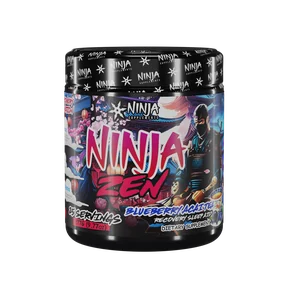
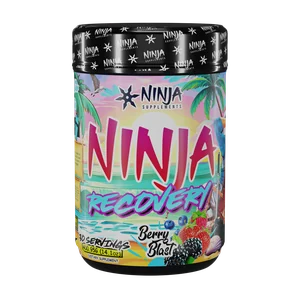

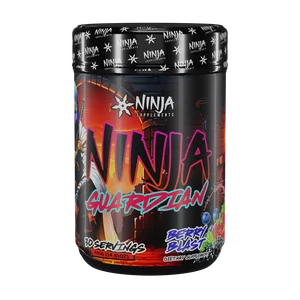
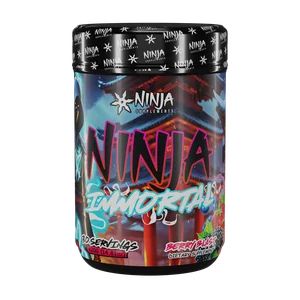
Take BCAAs before, during, or after training: all three windows deliver muscle-building benefit, but the timing that matters most depends on your training style, diet, and goals. If you train fasted, pre-workout BCAAs are the priority. If you eat protein-rich meals around your sessions, intra-workout or post-workout timing is your best play. Lifters in any situation can benefit from consistent daily intake.
- Fasted training? Take BCAAs 15–30 minutes before your session to protect muscle tissue.
- Fed training? Intra-workout or post-workout timing works effectively for most lifters.
- Leucine is the key driver of muscle protein synthesis, so look for a 2:1:1 ratio (leucine:isoleucine:valine).
- Daily total protein intake matters more than precise timing for most athletes.
- BCAAs are most valuable when your diet is protein-deficient or your sessions are long and intense.
What Are BCAAs and Why Do They Matter?

Branched chain amino acids (leucine, isoleucine, and valine) are three essential amino acids your body cannot synthesize on its own. You have to get them from food or supplementation. What separates BCAAs from other amino acids is that they’re metabolized directly in muscle tissue rather than the liver, which means they’re available as a fast-acting fuel source and muscle preservation signal during intense exercise.
Of the three, leucine is the star. Research published in the Journal of the International Society of Sports Nutrition confirms leucine’s role as the primary trigger for muscle protein synthesis (MPS), the process your body uses to repair and build new muscle tissue after training. Without adequate leucine, the MPS signal is blunted regardless of your training quality. That’s why clinically dosed BCAA supplements always lead with a meaningful leucine dose at a 2:1:1 ratio.
Muscle protein synthesis is not just about how much protein you eat. It’s about the amino acid composition and timing of delivery. BCAAs, particularly leucine, act as anabolic signals that switch on the mTOR pathway, directly initiating muscle repair and growth.
The Three Timing Windows Explained
Before Training: The Fasted Lifter’s Best Friend
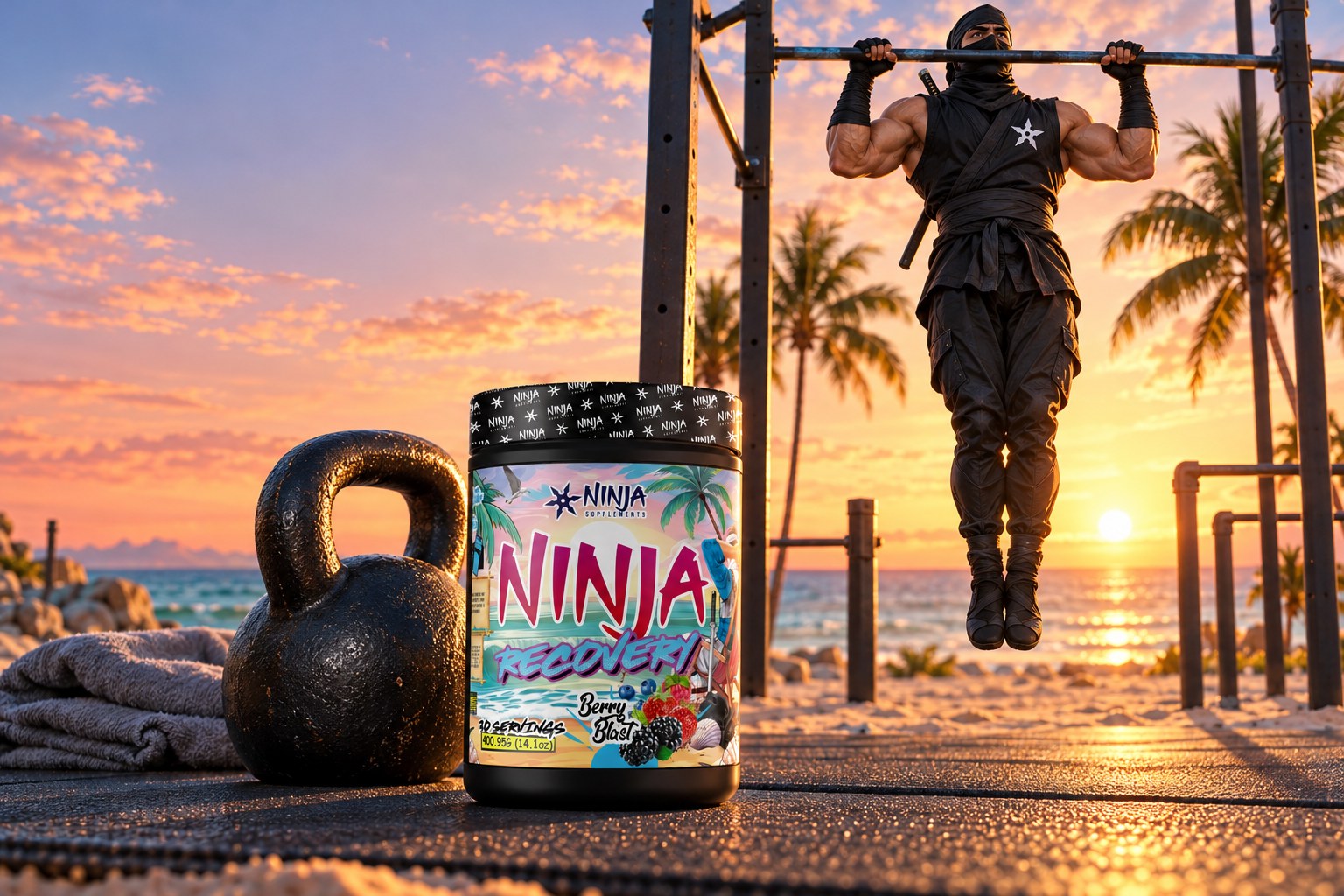
If you’re the type who trains first thing in the morning without a meal, pre-workout BCAA supplementation is arguably the most important timing window for you. Overnight fasting depletes glycogen and leaves circulating amino acid levels low. Training in this state risks muscle catabolism: your body breaking down muscle tissue for fuel when energy is scarce.
Taking bcaa supplements 15–30 minutes before a fasted session creates a protective amino acid environment. Leucine signals MPS even before you touch a barbell, isoleucine improves glucose uptake and energy delivery, and valine helps reduce exercise-induced fatigue. You’re not just protecting muscle. You’re setting the stage to maximize performance from rep one.
This is also where BCAAs naturally complement a solid pre-workout supplement stack. Combine BCAAs with your pre-workout for fasted training and you cover both the energy-performance angle and the muscle-protection angle simultaneously.
During Training: Intra-Workout Fuel for Long Sessions
Intra-workout BCAA timing is underrated. If your sessions run longer than 60–75 minutes, muscle glycogen becomes a limiting factor and fatigue starts creeping in. Sipping a BCAA drink during training delivers a steady supply of amino acids to working muscles without the digestive burden of a full meal or protein shake mid-session.
The valine component of BCAAs competes with tryptophan at the blood-brain barrier, reducing the production of serotonin, a key player in central fatigue. Translation: you can push harder for longer before your brain starts telling your body to stop. That’s a real, research-supported advantage for high-volume lifters or endurance athletes.
Mix your BCAAs in 16–20 oz of water and sip steadily throughout your session rather than drinking it all at once. This keeps amino acid levels consistently elevated in the blood during the full training window.
After Training: The Recovery Window
Post-workout is the classic BCAA timing recommendation, and it’s still valid. After a hard session, muscle tissue is damaged and your body is primed to receive nutrients for repair. Amino acids for muscle building are especially effective in this window because MPS rates are elevated and your muscles are metabolically active.
If you’re eating a complete protein source like chicken, eggs, or a quality whey shake within an hour of training, the urgent need for isolated BCAA supplementation post-workout decreases. Your whole food protein will supply the full amino acid profile your muscles need. However, if your post-workout nutrition is delayed or incomplete (travel, busy schedule, limited appetite), BCAAs bridge that gap effectively.
| Timing Window | Best For | Primary Benefit |
|---|---|---|
| Pre-Workout | Fasted training, morning lifters | Muscle protection, MPS activation |
| Intra-Workout | Long sessions (60+ min), high volume | Reduced fatigue, sustained energy |
| Post-Workout | Delayed meals, incomplete nutrition | Recovery support, muscle repair |
Does Timing Actually Matter More Than Total Intake?

Here’s the honest truth: for most athletes eating adequate protein from quality sources, the specific window of when to take BCAA supplements is less critical than hitting your daily protein targets. Research from the National Institutes of Health supports the position that total daily protein intake is the dominant variable in muscle protein balance, with timing playing a supporting role.
That said, timing absolutely matters more in specific scenarios:
- You train fasted or semi-fasted regularly
- Your total daily protein intake is below your individual target
- You’re in a caloric deficit or cutting phase
- Your training sessions are high volume or exceed 75 minutes
- You’re a natural athlete competing and need every legal edge available
In these cases, strategic BCAA timing becomes a meaningful performance variable, not a marketing myth. Science-backed supplement education is about giving you the full picture, not oversimplifying it.
Strategic BCAA timing becomes a meaningful performance variable when your diet is dialed in and your training demands are high.
How Much Should You Take?
Dosage matters as much as timing. A token 1g of BCAAs in a product isn’t going to move the needle. Look for products providing at least 5–10g of BCAAs per serving, with leucine making up at least half of that dose to effectively trigger MPS. The 2:1:1 ratio (leucine:isoleucine:valine) is the most studied and most validated formulation in the research literature.
Clinically dosed ingredient transparency is something we at Ninja Supplements believe in deeply: you should always know exactly how much of each amino acid you’re getting, not just a total “amino blend” number that hides individual doses. If the label doesn’t show the individual amino acid amounts, that’s a red flag worth taking seriously.
For those exploring focus and energy alongside muscle support, it’s worth knowing that some amino acids cross over into cognitive performance territory. Check out our breakdown of nootropics for focus and energy. There’s meaningful overlap between amino acid science and mental performance optimization.
Assess Your Training Schedule
Are you training fasted or fed? Morning or evening? High volume or moderate? Your answers dictate which timing window matters most for your situation.
Evaluate Your Daily Protein Intake
Track your protein for a few days. If you’re consistently hitting adequate levels through whole food, post-workout timing is flexible. If you’re falling short, pre- or intra-workout BCAAs become more critical.
Choose a Clinically Dosed Product
Look for a 2:1:1 ratio, at least 5g per serving, with fully disclosed individual amino acid amounts, and no proprietary blends that hide doses.
Be Consistent
Results from amino acid supplementation come from consistent daily use, not from hitting a perfect timing window once a week. Build it into your routine and make it a non-negotiable part of your stack.
BCAAs and Your Broader Supplement Stack
BCAAs don’t exist in isolation. They work best as part of a thoughtful, goal-aligned supplement approach. If you’re using a pre-workout for energy and performance, BCAA benefits extend the value of that stack by addressing the muscle preservation and recovery side. If fat loss is a concurrent goal, BCAAs during training help you preserve lean muscle while in a deficit, which is exactly what you want. Explore how BCAAs can complement your fat burner supplement approach for a more complete physique strategy.
Frequently Asked Questions
Can I take BCAAs on rest days?
Yes. Taking BCAAs on rest days supports ongoing muscle recovery and maintains amino acid availability while your body repairs training-induced damage. Morning intake on rest days is a simple, effective approach to keep recovery running around the clock.
Are BCAAs worth it if I already take a protein shake?
It depends on your training style. If you train fasted or have long, high-intensity sessions, BCAAs provide faster-acting amino acid delivery that a protein shake can’t replicate mid-session. If your protein intake is consistently high and you train in a fed state, the additional benefit is smaller but still present for heavy training blocks.
What’s the best ratio of leucine to isoleucine to valine?
The most researched and effective ratio for branched chain amino acids is 2:1:1 (leucine:isoleucine:valine). Higher leucine ratios exist but the additional benefit over 2:1:1 isn’t strongly supported for most lifters. Stick with the clinically validated ratio rather than chasing novelty.
How long before a workout should I take BCAAs?
Take BCAAs 15–30 minutes before your session if you’re using them pre-workout. This gives enough time for absorption and amino acid availability to peak as you begin training. If you’re pairing them intra-workout, simply start sipping when your session begins.
Do BCAAs break a fast?
BCAAs do contain calories and do trigger an insulin response, which technically breaks a strict fast. However, for the purpose of muscle preservation during fasted training, this is the desired effect. If your goal is maximum fat oxidation during training, be aware of this, but for muscle-focused fasted lifters, pre-workout BCAAs are still the right call.