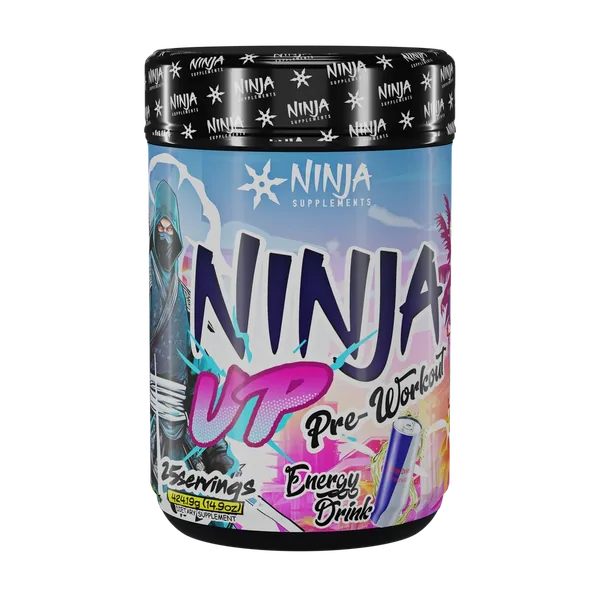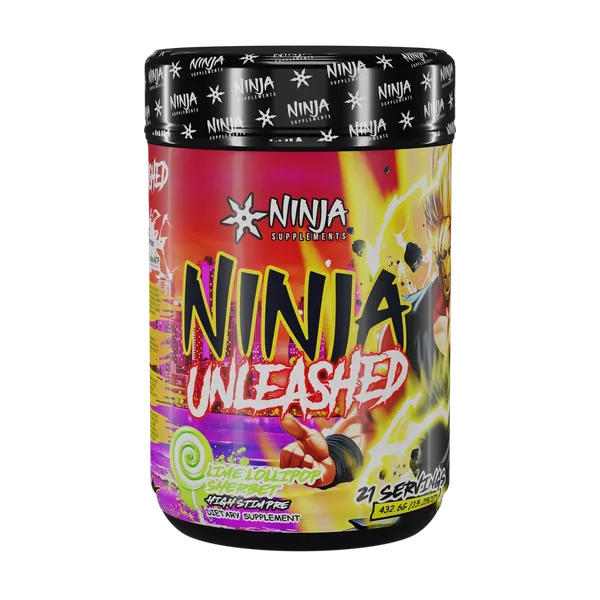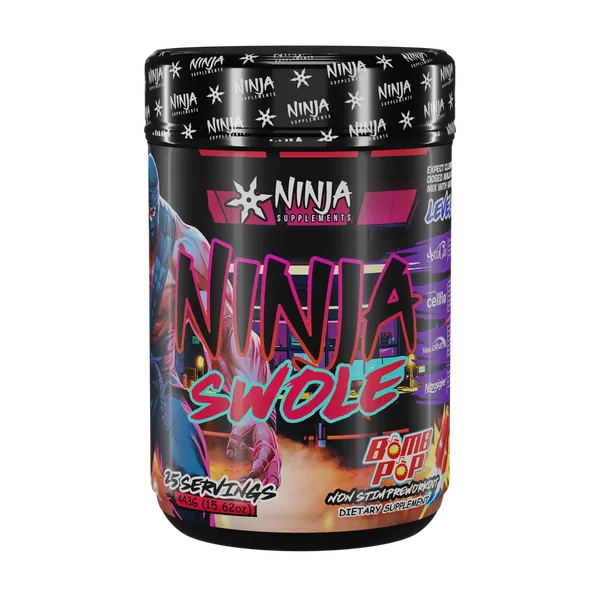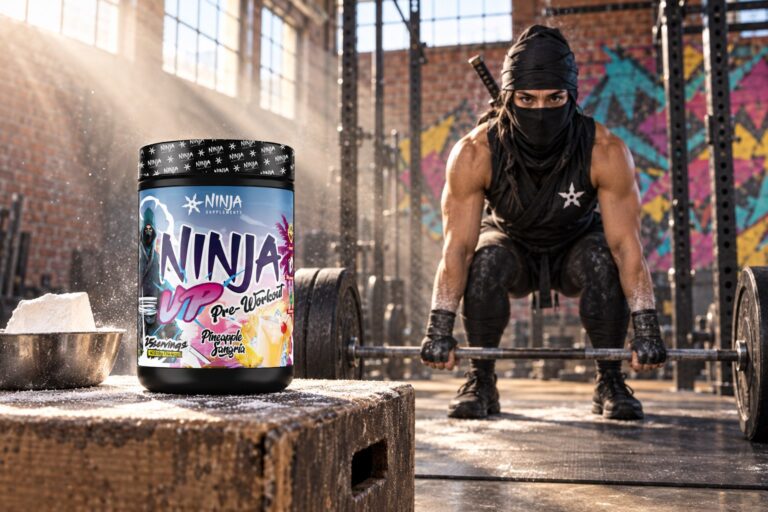

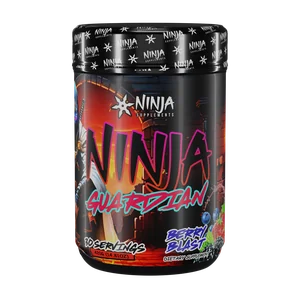
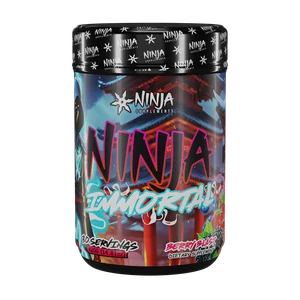

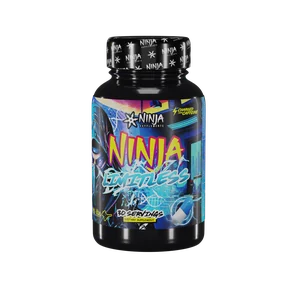
You’ve got your pre-workout loaded, your training program dialed in, and your nutrition on point. But there’s one variable that could be sabotaging your entire workout before you even step foot in the gym: timing. Taking your pre-workout at the wrong moment is like showing up to the party after everyone’s already left: you’re going to miss the peak benefits when you need them most.
Pre-workout timing isn’t just about convenience or habit. It’s a strategic decision rooted in supplement science, absorption rates, and understanding how your body processes key ingredients. Get it right, and you’ll crush every set with laser focus and sustained energy. Get it wrong, and you might be hitting the bathroom instead of hitting PRs.
The Science Behind Pre-Workout Absorption

Understanding pre-workout absorption is fundamental to maximizing your performance. When you consume your pre-workout, the ingredients don’t instantly teleport into your bloodstream. Each component follows its own timeline, influenced by factors like molecular size, solubility, and your individual metabolism.
Most pre-workout formulas contain a combination of stimulants, performance enhancers, and pump ingredients. These compounds have different absorption windows that determine when they reach peak concentration in your system. This is precisely why timing matters: you want these ingredients hitting their maximum effectiveness right when you’re demanding the most from your body.
Caffeine: The Timing Cornerstone
Caffeine is the backbone of most pre-workout formulas, and its pharmacokinetics provide the blueprint for optimal timing. Research shows that caffeine reaches peak blood concentration approximately 30-60 minutes after ingestion in most individuals. This caffeine half-life and absorption pattern is why the standard recommendation exists.
However, caffeine’s effects aren’t just about peak concentration. The stimulant begins working within 15-20 minutes for many people, with noticeable alertness and energy increases. But for maximum performance benefits (enhanced power output, reduced perceived exertion, and improved endurance), you want to catch that peak window.
Individual factors significantly impact caffeine metabolism. Genetic variations in the CYP1A2 enzyme affect how quickly you process caffeine. Some people are rapid metabolizers who might need to take their pre-workout closer to training time, while slow metabolizers might benefit from earlier consumption to avoid jitters that peak too intensely.
Beta-Alanine and Citrulline: The Performance Enhancers
Beta-alanine, the ingredient responsible for that characteristic tingling sensation, reaches peak plasma levels around 30-45 minutes post-ingestion. This amino acid works by buffering lactic acid accumulation in muscles, helping you push through those brutal final reps. Taking your pre-workout 30-45 minutes before training ensures beta-alanine is fully available when you’re grinding through high-rep sets.
Citrulline malate, a powerhouse pump ingredient, follows a similar timeline. It converts to arginine in the body, increasing nitric oxide production for enhanced blood flow and nutrient delivery. Peak arginine levels from citrulline occur approximately 60 minutes after consumption, though you’ll start experiencing increased vascularity and pump earlier in your workout.
The 30-45 Minute Sweet Spot
Based on ingredient absorption rates and decades of real-world application, the optimal window for pre-workout timing is 30-45 minutes before you start your first working set. This timeframe isn’t arbitrary. It’s calculated to synchronize multiple ingredients reaching effective concentrations simultaneously.
Taking your pre-workout 30-45 minutes out allows you to:
- Catch caffeine near peak plasma concentration for maximum energy and focus
- Ensure beta-alanine is available for buffering fatigue during intense sets
- Allow citrulline adequate time to convert and boost nitric oxide production
- Give your digestive system time to process the formula without causing discomfort
- Build mental momentum and transition into workout mode
This window provides the perfect balance: early enough for complete absorption, but not so early that you’re sitting around fully stimulated with nowhere to channel that energy.
Adjusting Timing Based on Your Training Style
Your training approach should influence supplement timing. Not all workouts demand the same energy curve, and smart lifters adjust accordingly.
High-Intensity and Heavy Compound Movements
If you’re starting your session with heavy squats, deadlifts, or bench press, you want maximum stimulation hitting right as you approach the bar. Take your pre-workout 35-40 minutes before your first warm-up set. By the time you complete your warm-ups and mobility work, you’ll be peaking for your heaviest lifts.
Volume Training and Hypertrophy Work
Higher-rep, moderate-weight training sessions benefit from sustained energy rather than an explosive peak. The 30-45 minute window still applies, but you might lean toward 30 minutes to ensure energy remains elevated throughout a longer workout. The endurance-enhancing effects of ingredients like beta-alanine become increasingly valuable as volume accumulates.
Cardio and Conditioning
For cardio-focused training, consider taking your pre-workout 25-30 minutes before starting. Cardiovascular work often doesn’t require the same warm-up period as heavy lifting, so you can afford to time it slightly closer. The caffeine will enhance fat oxidation and reduce perceived exertion during longer sessions.
Food in Your Stomach: The Timing Wild Card
Pre-workout absorption doesn’t happen in a vacuum. It happens in your digestive system, where food can significantly alter the timeline. A full stomach slows absorption of all ingredients, potentially delaying peak effects by 15-30 minutes or more.
Training fasted or on an empty stomach? You might experience faster absorption and more intense effects. Some individuals feel jittery or experience upset stomach when taking pre-workout without food, while others prefer the cleaner, quicker energy boost.
If you’ve eaten a substantial meal, adjust your timing accordingly. Push your pre-workout intake to 45-60 minutes before training to account for slower absorption. A small snack generally won’t impact timing significantly, but a full meal absolutely will.
Common Timing Mistakes That Kill Performance
Even experienced lifters make these timing errors that undermine their results:
Taking It Too Early
Sipping your pre-workout during your commute an hour before training means you’ll peak before your workout begins. Caffeine half-life means you’ll still have energy, but you’ve missed the maximum performance window. That peak concentration could have powered through your hardest sets. Instead, it powered through your warm-up.
Taking It Too Late
Mixing your pre-workout in the locker room right before your first set doesn’t allow proper absorption. You’ll spend the first 15-20 minutes of your workout waiting for it to kick in, essentially wasting your most mentally fresh period on suboptimal energy levels.
Inconsistent Timing
Your body adapts to patterns. Taking pre-workout at wildly different times creates unpredictable responses. Consistency helps you understand your personal response pattern and optimize accordingly.
Individual Variables That Affect Your Timing
Cookie-cutter recommendations only go so far. Level up your supplement timing by understanding these personal factors:
Body Weight and Composition: Larger individuals with more body mass may experience slightly delayed absorption as the formula distributes through greater volume. Conversely, smaller individuals might feel effects more quickly and intensely.
Stimulant Tolerance: Regular caffeine consumers often need the full 40-45 minute window, while those with lower tolerance might feel effects sooner. If you’re highly tolerant to stimulants, you might even consider a slightly higher dose rather than adjusting timing.
Hydration Status: Proper hydration improves supplement absorption. Dehydration slows gastric emptying and can delay the onset of effects. Start hydrating well before your pre-workout to optimize absorption rates.
Workout Intensity: Your central nervous system priming matters. If you’re mentally amped and ready to destroy weights, your sympathetic nervous system is already activated, potentially synergizing with your pre-workout for enhanced effects.
Testing Your Personal Sweet Spot
The best pre-workout timing for you requires experimentation within the proven framework. Here’s how to dial it in:
Start with 35 minutes before your first working set as your baseline. Track how you feel at different points in your workout. Note when you feel peak energy, focus, and pump. Adjust in 5-minute increments based on your observations.
Keep variables consistent during testing: same meals, hydration, sleep, and workout structure. This isolates timing as the variable you’re optimizing.
After three workouts at each timing interval, you’ll have enough data to identify patterns. Most people find their ideal window falls somewhere between 30-45 minutes, but your unique physiology determines your specific sweet spot.
Maximizing Your Pre-Workout Beyond Timing
Perfect timing means nothing if other variables aren’t optimized. Maximize pre-workout effectiveness with these strategies:
Mix your pre-workout with adequate water, typically 8-12 ounces minimum. Proper dilution ensures efficient absorption and prevents the concentrated formula from sitting in your stomach.
Consume it relatively quickly rather than sipping over 15 minutes. Faster consumption creates a more predictable absorption timeline and helps you accurately track when effects begin.
Stay properly hydrated throughout the day leading up to your workout. Chronic dehydration impairs supplement absorption and overall performance, regardless of timing.
When to Reconsider Your Approach
If you’ve optimized timing but still aren’t experiencing the performance boost you expected, consider these factors:
Your pre-workout formula might contain underdosed ingredients that won’t deliver results regardless of timing. Look for clinically dosed formulas with transparent labels showing effective amounts of key ingredients.
Tolerance buildup reduces effectiveness over time. Consider cycling off pre-workout for 1-2 weeks every 8-10 weeks to reset your sensitivity to stimulants and other ingredients.
Sleep, nutrition, and training program quality outweigh any supplement. Pre-workout enhances performance. It doesn’t replace fundamental training principles.
Level Up Your Performance Starting Today
Pre-workout timing transforms good workouts into exceptional ones. That 30-45 minute window before training isn’t random. It’s rooted in supplement science and absorption rates that optimize when ingredients reach peak effectiveness.
Start implementing strategic timing today. Set a timer for 35 minutes before your next session, mix your pre-workout, and prepare to experience the difference proper timing makes. Track your performance, adjust based on your individual response, and watch your training intensity reach new levels.
Your genetics, training style, and physiology are unique, but the science of supplement absorption is universal. Master pre-workout timing, and you’ve unlocked another variable in your performance equation. Now get in there and crush your workout when your body is primed to perform at its absolute peak.