
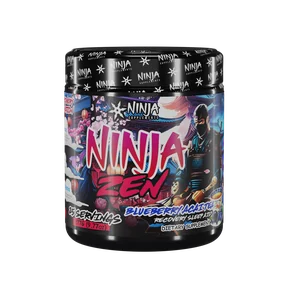
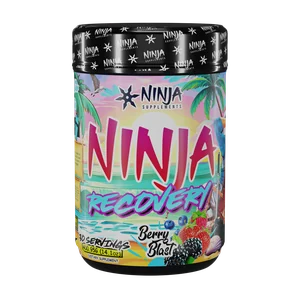
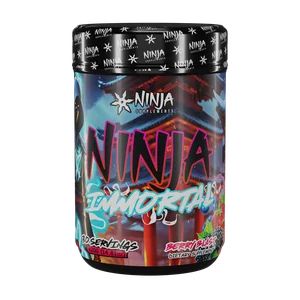
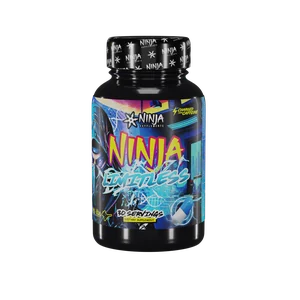
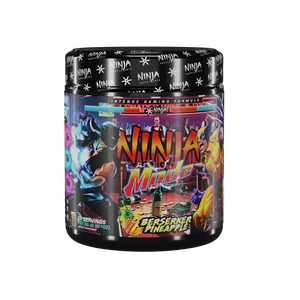
Magnesium supports sleep quality and muscle recovery by regulating neurotransmitters, reducing muscle tension, and activating the parasympathetic nervous system. For serious lifters, it’s one of the most evidence-backed natural sleep supplements available. If your training volume is high and your recovery feels sluggish, low magnesium status is a real and common factor worth addressing through diet and targeted supplementation.
- Magnesium plays a direct role in GABA receptor activity, helping your nervous system downregulate after intense training.
- Intense exercise depletes magnesium through sweat, making lifters especially vulnerable to suboptimal levels.
- Not all magnesium forms are equal: glycinate and threonate are the top picks for sleep and recovery purposes.
- Magnesium stacks well with other recovery-focused sleep supplements for amplified results.
- Clinically dosed magnesium, not undisclosed “proprietary blends,” is what actually moves the needle.
Why Magnesium Matters More for Lifters Than Most People Realize

Most gym-goers obsess over protein, creatine, and pre-workout. Magnesium rarely gets the same attention, but it probably should. This mineral is involved in over 300 enzymatic reactions in the body, including muscle protein synthesis, ATP energy production, and nervous system regulation. When your magnesium levels are running low, every one of those processes takes a hit.
Here’s what makes this especially relevant to you as a lifter: physical exercise (especially high-intensity resistance training) increases urinary and sweat-based magnesium losses. The harder you train, the faster you burn through your reserves. Research published by the National Institutes of Health confirms that physically active individuals may require significantly more magnesium than sedentary populations to maintain optimal function. If your sleep is restless, your muscles are cramping at night, or you’re waking up feeling unrestored, low magnesium could be a major contributing factor.
Magnesium activates the parasympathetic nervous system (your “rest and digest” mode), which is exactly the physiological state your body needs to enter for deep, restorative sleep. Without adequate magnesium, the sympathetic (fight-or-flight) system stays elevated longer post-workout, directly compromising recovery sleep quality.
How Magnesium Improves Sleep Quality
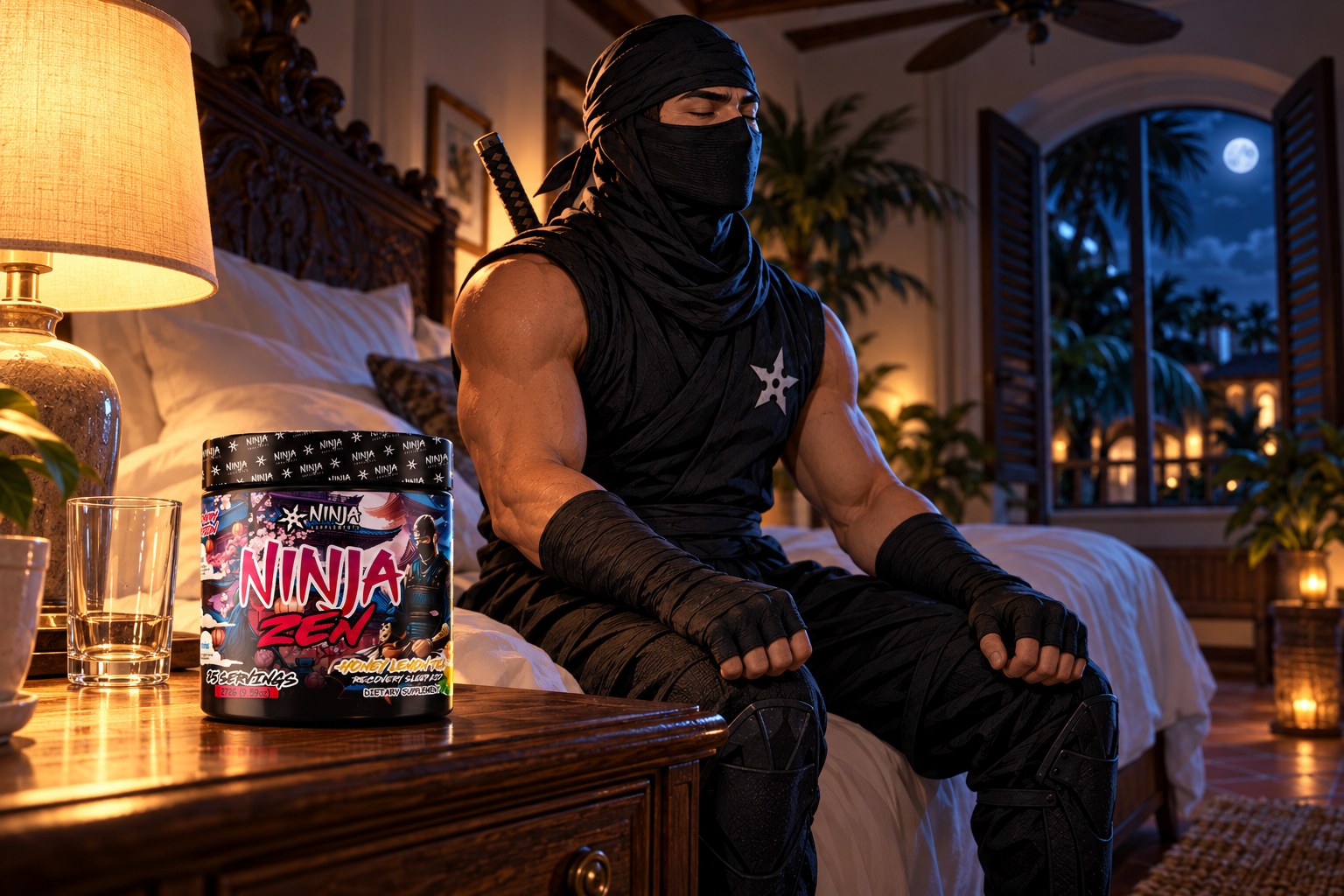
The connection between magnesium for sleep isn’t just anecdotal. There are clear, science-backed mechanisms at work. Magnesium binds to and activates GABA (gamma-aminobutyric acid) receptors in the brain. GABA is your brain’s primary inhibitory neurotransmitter: the chemical that quiets neural activity and signals your body that it’s time to shut down and recover. Low magnesium means lower GABA activity, which translates to a racing mind when you’re trying to sleep.
Magnesium also regulates melatonin production by supporting the enzymes involved in its synthesis. Without sufficient magnesium, your melatonin rhythm can become dysregulated, making it harder to fall asleep and stay asleep through the night. For athletes who train hard in the evenings (which is a huge portion of gym culture), this connection between magnesium, melatonin, and circadian rhythm is especially critical.
Magnesium doesn’t sedate you. It removes the physiological barriers that keep your nervous system from winding down after a hard session.
The Best Forms of Magnesium for Sleep and Recovery

This is where transparency in supplementation really matters. Not all magnesium forms are created equal, and the form you choose directly impacts how much actually gets absorbed and where it’s directed in your body.
| Magnesium Form | Best For | Bioavailability |
|---|---|---|
| Magnesium Glycinate | Sleep, muscle relaxation, anxiety reduction | High, gentle on digestion |
| Magnesium Threonate | Cognitive recovery, brain health, sleep depth | High, crosses blood-brain barrier |
| Magnesium Citrate | General supplementation, digestion support | Moderate |
| Magnesium Oxide | Laxative effect; minimal sleep/recovery benefit | Low |
For muscle recovery sleep specifically, magnesium glycinate is the gold standard. It pairs magnesium with glycine (an amino acid with its own sleep-promoting properties), making it a dual-action recovery tool. Magnesium threonate (often marketed as Magtein) is the only form demonstrated in research to effectively cross the blood-brain barrier, making it particularly valuable for cognitive recovery and improving sleep architecture at the neurological level.
Magnesium oxide is the cheapest and most common form found in low-quality supplements. It has very poor bioavailability: most of it never makes it into your bloodstream. Always check the form of magnesium on your supplement’s label. If it’s just listed as “magnesium” without specifying the compound, that’s a transparency red flag.
Magnesium Dosing: What the Science Actually Supports
For sleep and recovery purposes, most research supports a dose range of 200–400 mg of elemental magnesium taken approximately 30–60 minutes before bed. This timing aligns with your body’s natural cortisol decline in the evening and gives magnesium time to activate GABA pathways before sleep onset.
Clinically dosed ingredient transparency is a core principle at Ninja Supplements, which means clearly listing the form of magnesium and the exact elemental dose on every label, not hiding behind vague milligram totals for a compound blend. If a label lists 500mg of “magnesium glycinate” without specifying how much of that is actual elemental magnesium, it’s cutting corners on the information you need to make informed decisions about your recovery stack.
Start at 200mg of magnesium glycinate for the first week to assess your tolerance, then increase to 300–400mg if needed. Taking too much too fast can cause loose stools, not the recovery night you had in mind. Titrate up gradually for best results.
Building a Complete Recovery Sleep Stack
Magnesium is an elite foundation for any recovery sleep supplement protocol, but it works even better when paired strategically. Here’s how to think about building a stack that helps you maximize performance through quality overnight recovery:
- Magnesium Glycinate (200–400mg): GABA activation, muscle relaxation, melatonin support
- Ashwagandha (300–600mg KSM-66 extract): Cortisol reduction, adaptogenic stress support
- L-Theanine (200mg): Alpha brainwave promotion, calming without sedation
- Zinc (10–30mg): Supports testosterone production and immune recovery overnight
- Low-dose Melatonin (0.5–1mg): Circadian rhythm regulation: effective at low doses, with no need to go higher
For a deep dive into building an optimized sleep and recovery supplement protocol, check out our comprehensive guide on sleep supplements for recovery. It covers the full spectrum of evidence-backed recovery stack options. And if you’re interested in how cognitive-focused compounds like L-theanine intersect with performance, our nootropics for focus and energy pillar breaks that down in detail.
Training Hard Enough to Need This? Check Your Pre-Workout Too
If your training intensity is high enough that sleep recovery is becoming a bottleneck, your pre-workout formulation matters for more than just performance: it affects your sleep window. High-stimulant pre-workouts taken too late in the day directly suppress magnesium’s ability to promote sleep onset by keeping cortisol and adrenaline elevated. Understanding your stimulant timing is part of the recovery equation. Our pre-workout supplements guide covers how to choose the right pre-workout for your training schedule without wrecking your recovery window.
Frequently Asked Questions
How long does magnesium take to improve sleep quality?
Most people notice meaningful improvements in sleep onset and overnight restfulness within one to two weeks of consistent magnesium supplementation. Because magnesium works by replenishing cellular stores rather than acting as an immediate sedative, the benefits build over time. Consistency matters more than any single dose.
Can I get enough magnesium from food alone as a lifter?
Whole foods like dark leafy greens, pumpkin seeds, black beans, and dark chocolate contain meaningful amounts of magnesium. However, because exercise increases magnesium excretion through sweat and urine, high-volume trainees often struggle to hit optimal intake through diet alone, particularly if their eating window is restricted. Supplementation bridges that gap reliably.
Is magnesium glycinate the same as magnesium for sleep sold in pharmacies?
Not always. Many over-the-counter magnesium supplements use magnesium oxide, which has poor bioavailability and minimal sleep benefit. Magnesium glycinate is a specific, superior form that you need to look for explicitly on the label. Always verify the compound form, not just the mineral name.
Can magnesium interfere with pre-workout stimulants or other supplements?
Magnesium taken in the evening is unlikely to interact negatively with morning or afternoon pre-workout stimulants. It’s actually complementary: stimulants can deplete magnesium over time, so evening magnesium replenishment is a smart counterbalance. Avoid taking magnesium at the same time as zinc in very high doses, as they can compete for absorption at the intestinal level.
What’s the difference between natural sleep supplements and prescription sleep aids?
Natural sleep supplements like magnesium, melatonin, and ashwagandha support the body’s own sleep mechanisms without creating dependency or altering sleep architecture negatively. Prescription sleep medications, by contrast, may suppress REM sleep, the stage critical for muscle recovery and cognitive consolidation. For lifters, preserving sleep architecture matters as much as sleep duration.