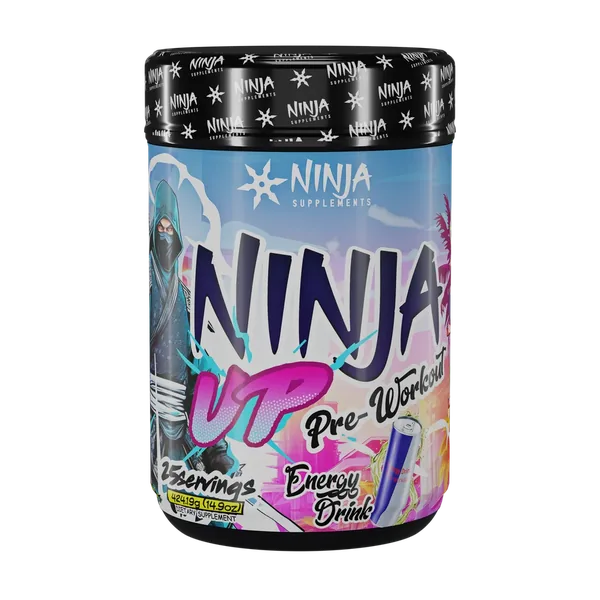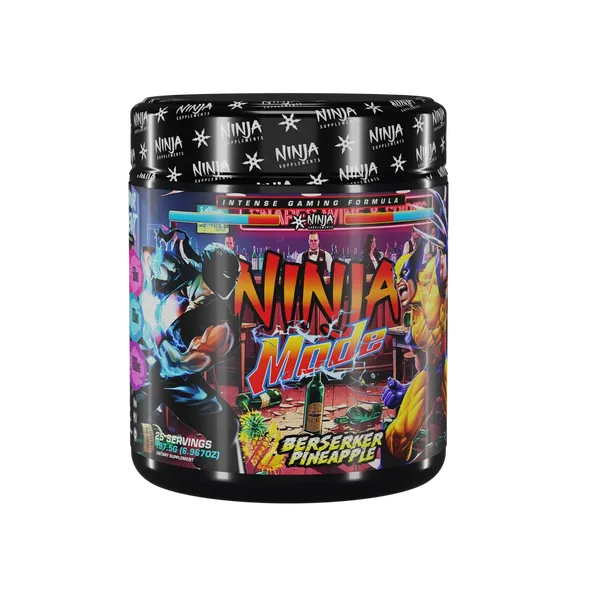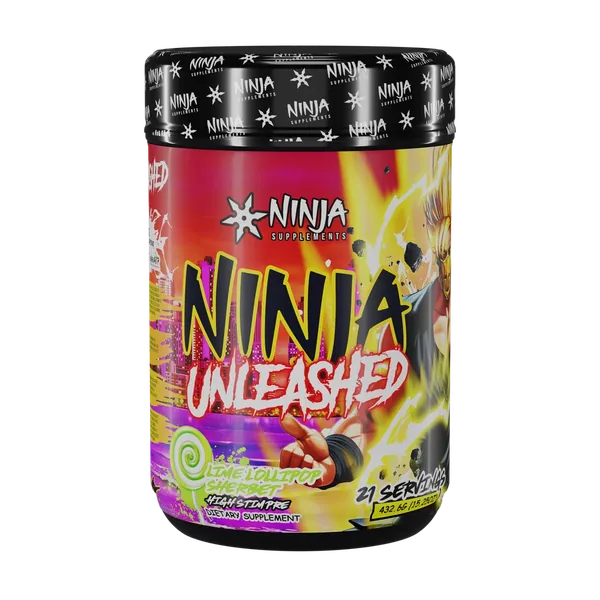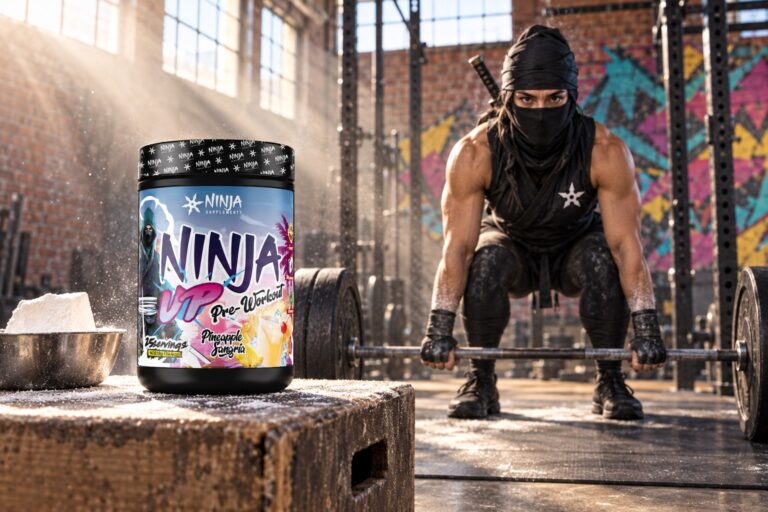

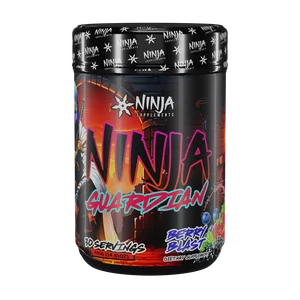
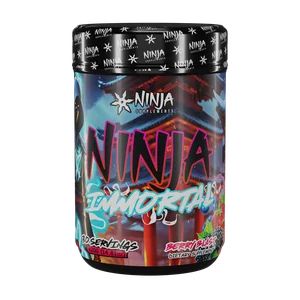
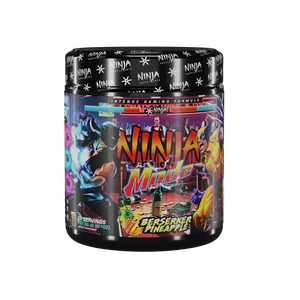
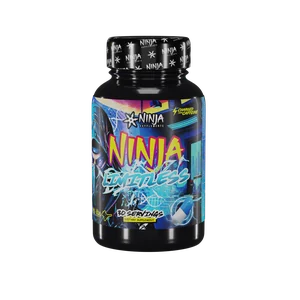
Pre-workout supplements are purpose-built for gym performance, delivering clinically dosed ingredients like citrulline, beta-alanine, and creatine that directly support strength, endurance, and focus. Energy drinks are general stimulants designed for alertness, not athletic output. For serious lifters, the difference isn’t just what’s in the can. It’s whether the formula was designed to help you train harder or simply stay awake.
- Pre-workout supplements contain performance-specific ingredients not found in standard energy drinks.
- Energy drinks can provide a short-term stimulant boost but lack the ergogenic compounds that drive real training adaptations.
- Ingredient transparency and clinical dosing separate effective pre-workouts from underdosed alternatives.
- Stacking energy drinks as a pre-workout substitute can lead to excessive caffeine intake without the performance payoff.
- Knowing what’s in your formula, and why, is the foundation of smart supplementation.
The Core Difference: Purpose-Built vs. General Stimulation
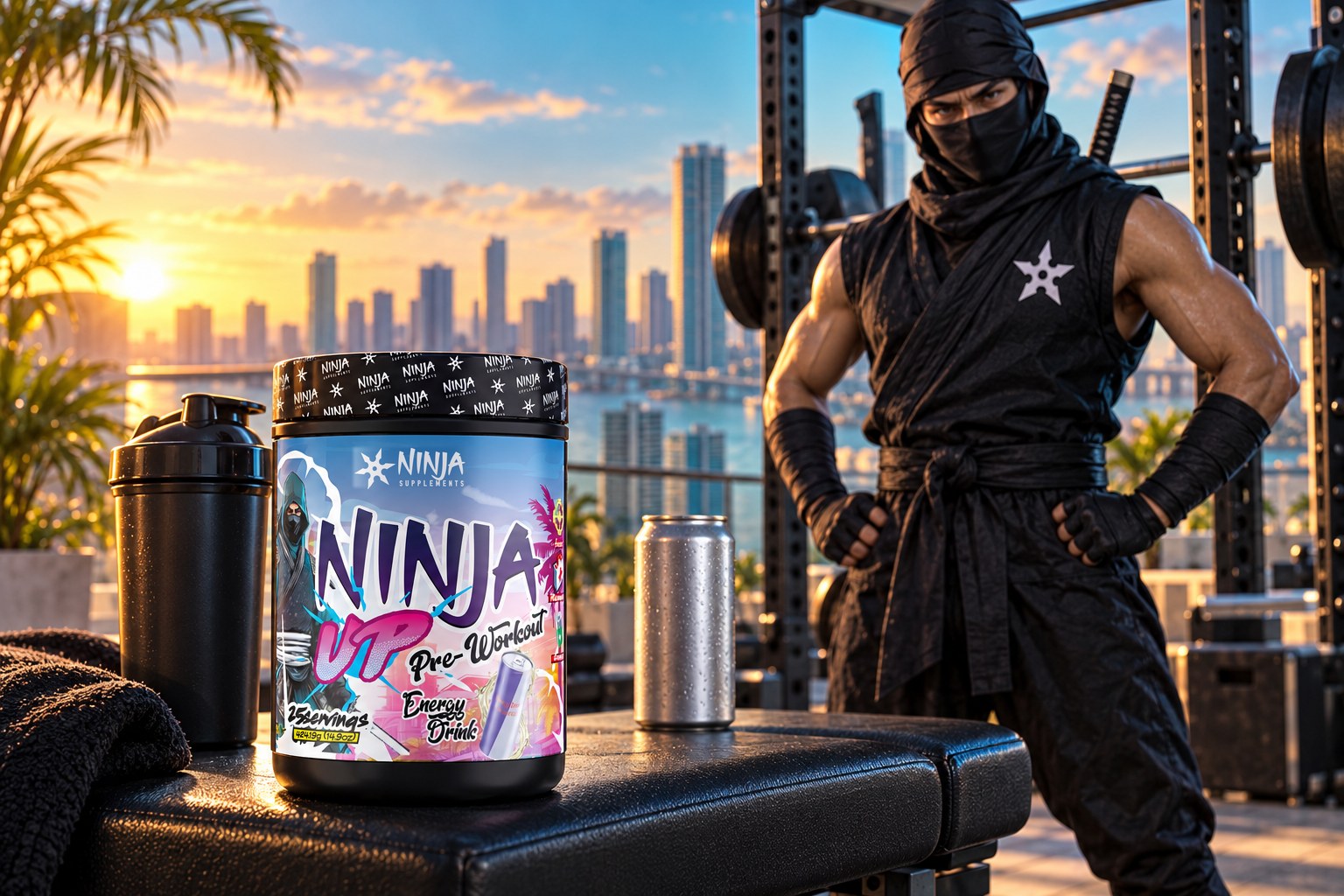
Walk into any gym and you’ll spot someone cracking open an energy drink before they hit the weights. It’s common, it’s convenient, and it feels like it should work. But there’s a meaningful gap between a formula engineered for athletic performance and one engineered to keep you awake during a long drive.
Energy drinks primarily deliver caffeine and sugar (or artificial sweeteners) with some B vitamins and maybe a token dose of taurine. They weren’t designed with your squat PR in mind. Pre-workout supplements, on the other hand, are built around a stack of ingredients with specific, studied roles in exercise performance, from increasing blood flow and buffering muscle fatigue to sharpening mental focus during heavy sets.
The term “pre-workout” covers a wide range of formulas. What separates a genuinely effective one from a glorified energy drink is ingredient transparency and clinical dosing: knowing not just what’s in the formula, but how much of each compound and whether that amount reflects what research actually supports.
Breaking Down Pre-Workout Ingredients That Actually Matter

Understanding what goes into a high-quality pre-workout is the fastest way to see why energy drinks simply can’t replicate the effect. These aren’t interchangeable products. They’re different tools solving different problems.
L-Citrulline for Blood Flow and Pumps
L-Citrulline is one of the most well-researched pre-workout ingredients available. It converts to L-arginine in the kidneys, which then increases nitric oxide production. More nitric oxide means greater vasodilation: better blood flow to working muscles, improved nutrient delivery, and that muscle pump you’re actually chasing. Research published through the National Institutes of Health has demonstrated citrulline’s effectiveness in reducing exercise-induced fatigue and improving performance during high-intensity efforts. You won’t find this in your energy drink.
Beta-Alanine for Muscular Endurance
That familiar tingling sensation, called paresthesia, is your indicator that beta-alanine is on board. Beta-alanine raises muscle carnosine levels, which acts as a buffer against lactic acid buildup during intense training. The result is extended time before fatigue forces you to rack the bar. This is a pre-workout benefits story that energy drinks simply can’t tell: they don’t contain beta-alanine in any meaningful dose.
Caffeine, But Context Matters
Yes, energy drinks contain caffeine. So do most pre-workouts. But context matters enormously. A quality pre-workout delivers caffeine at a purposeful dose alongside complementary ingredients that modulate the stimulant effect. L-Theanine, frequently paired with caffeine in advanced formulas, smooths out the jittery edge while sustaining focus, a combination that research consistently supports for cognitive performance under pressure.
| Feature | Pre-Workout Supplement | Energy Drink |
|---|---|---|
| Primary purpose | Athletic performance | General alertness |
| Citrulline / nitric oxide support | Yes (clinically dosed) | Rarely or absent |
| Beta-alanine | Yes | No |
| Creatine | Often included | No |
| Caffeine source | Calibrated, often with L-Theanine | High, often unbalanced |
| Ingredient transparency | High (in quality formulas) | Variable |
| Designed for gym use | Yes | No |
The Hidden Problem with Energy Drinks at the Gym
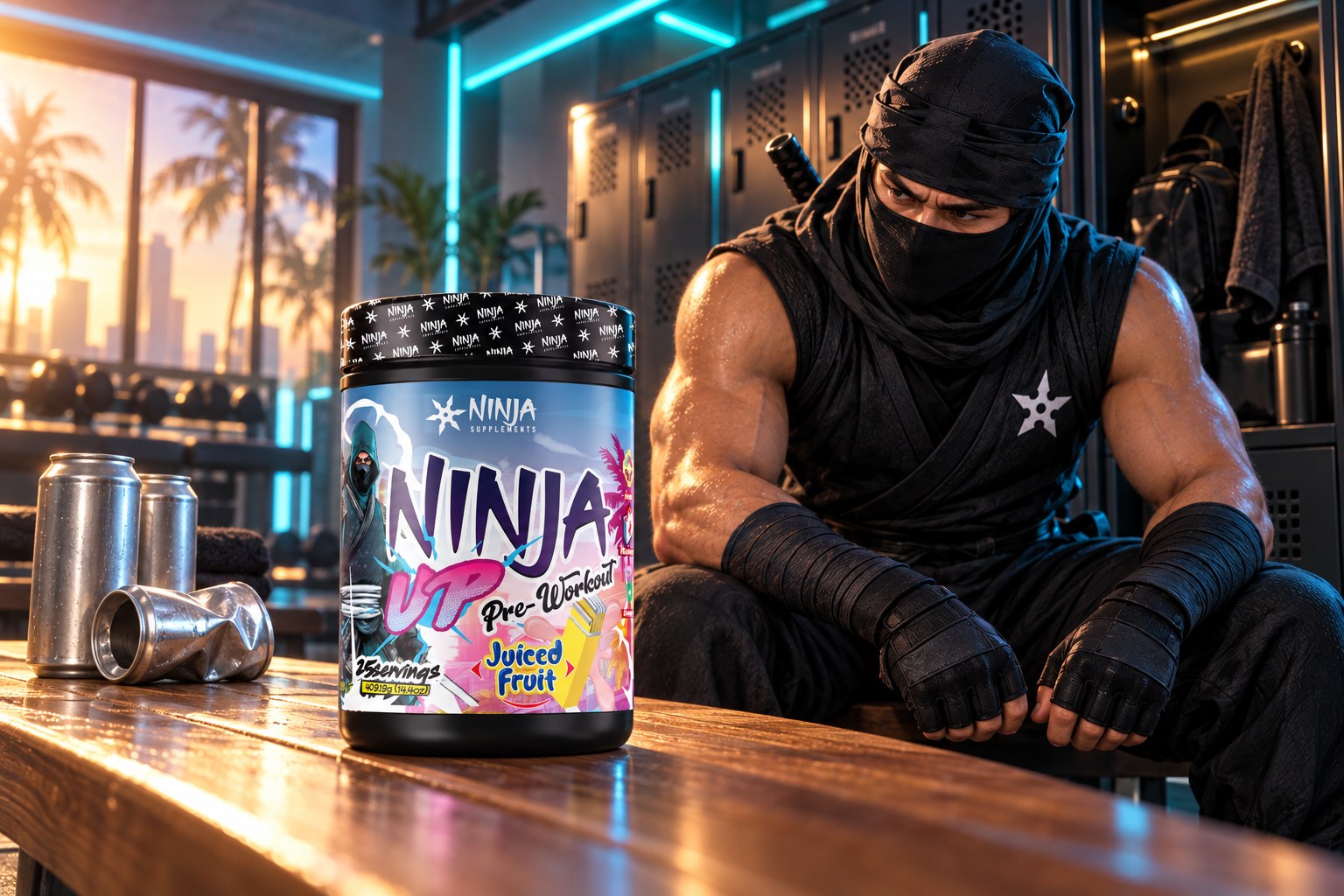
Beyond what energy drinks lack, there’s also a concern about what they deliver in excess. Many popular energy drinks pack significant caffeine per serving, and serious lifters often drink more than one. The FDA advises that healthy adults limit caffeine to no more than 400mg per day, but stacking multiple energy drinks alongside other caffeinated sources can push intake well beyond that threshold without providing any additional performance benefit: just elevated heart rate, anxiety, and potential sleep disruption that tanks recovery.
This matters because recovery is where your training adaptations actually happen. A supplement strategy that undermines sleep or spikes cortisol unnecessarily is working against your goals, not with them.
Consuming multiple energy drinks before training isn’t a stronger pre-workout. It’s an uncontrolled caffeine load without ergogenic support. Excessive caffeine without performance-specific co-ingredients can increase anxiety, impair technique under fatigue, and disrupt the recovery your body needs to actually build muscle and strength.
When Energy Drinks Have a Role
To be fair, energy drinks aren’t entirely without a place in a fitness lifestyle. If you’re short on time, sensitive to heavy stimulant formulas, or need a light lift before a lower-intensity session, a moderate-caffeine energy drink can provide a functional boost. They’re also more accessible, available at convenience stores and easier to consume on the go.
But for anyone serious about strength training, hypertrophy, or high-intensity performance, the ergogenic gap between a purposefully formulated pre-workout and a canned energy drink is real and consistent. The goal isn’t just to feel stimulated. It’s to perform, recover, and adapt. Our deep dive into pre-workout supplements covers this in detail, including what to look for and why ingredient dosing is non-negotiable.
How to Read a Pre-Workout Label Like a Pro
The ability to evaluate a supplement label is genuinely powerful. It separates lifters who get results from those who keep buying products that don’t deliver.
Check for a full ingredient disclosure
Every ingredient and its exact dosage should be visible. Proprietary blends that hide individual amounts are a transparency red flag. You deserve to know what you’re putting in your body.
Verify doses against research
Look for citrulline malate at 6-8g, beta-alanine at 3.2g, and caffeine at a dose appropriate to your tolerance. Token amounts of impressive-sounding ingredients add label appeal without performance payoff.
Look for synergistic compounds
Quality pre-workouts stack ingredients that work together: caffeine with L-Theanine for clean focus, citrulline with betaine for blood flow and cellular hydration. Synergy is a sign of intentional formulation.
Assess the stimulant profile
Total caffeine matters, but so does the type and whether it’s buffered. A formula that delivers sustained energy without a hard crash is better engineered than one that spikes and drops.
For those interested in the cognitive performance side of supplementation (focus, mental clarity, and sustained concentration during long training sessions), our nootropics and focus energy guide is worth exploring alongside your pre-workout strategy.
The goal isn’t just to feel stimulated. It’s to perform, recover, and adapt.
Maximizing Pre-Workout Benefits: Practical Protocol
Getting the most from a pre-workout isn’t just about which product you choose. Timing, hydration, and overall nutrition all influence how effectively the formula performs.
- Timing: Consume your pre-workout 20-30 minutes before training to allow key ingredients time to absorb and reach peak concentration in the bloodstream.
- Hydration: Pre-workouts, especially those with creatine or beta-alanine, perform best when you’re well-hydrated. Aim for consistent water intake throughout the day, not just at the gym.
- Avoid training on empty if sensitive to stimulants: A small carbohydrate source with your pre-workout can blunt excess stimulant sensitivity without blunting performance.
- Cycle your stimulant intake: If you’re using a caffeinated pre-workout daily, periodic low-stimulant or stim-free periods help maintain caffeine sensitivity and keep the formula effective over time.
If fat loss is part of your training goal, understanding how stimulant-based compounds interact across your full supplement stack matters. Our fat burner supplements guide covers the crossover between thermogenics and stimulant management in detail.
Frequently Asked Questions
Can I use an energy drink as a pre-workout substitute?
You can, but you’ll be missing most of the performance-specific ingredients that make pre-workouts effective. Energy drinks provide caffeine for alertness but lack compounds like citrulline, beta-alanine, and betaine that directly support muscular endurance, blood flow, and power output. For casual exercise, an energy drink might suffice. For serious training, it’s a poor substitute.
Are pre-workout supplements safe?
High-quality pre-workout supplements with transparent labeling and clinically dosed ingredients are generally safe for healthy adults. Key considerations include your total daily caffeine intake, any sensitivity to stimulants, and whether you have underlying cardiovascular conditions. If in doubt, consult a healthcare professional before starting any new supplement protocol.
How do I know if a pre-workout is actually clinically dosed?
A clinically dosed pre-workout lists every ingredient individually with its exact amount, and those amounts match or approach doses used in published research. If the label shows a “proprietary blend” without individual doses, you have no way to verify efficacy. Demand full transparency: that’s the baseline standard for science-backed supplementation.
What’s the role of nootropics in pre-workout formulas?
Nootropic compounds like L-Theanine, Alpha-GPC, and tyrosine are increasingly included in advanced pre-workout formulas to enhance focus, reduce perceived effort, and improve mind-muscle connection during training. They complement stimulants rather than replace them, delivering cleaner, more sustained mental performance through your session without the post-training crash.
Should I cycle off pre-workout supplements?
Periodic cycling, typically one to two weeks without stimulant-based supplements every few months, helps maintain sensitivity to caffeine and other active compounds. This keeps the formula working effectively when you return to it and prevents tolerance buildup that can reduce performance benefits over time.