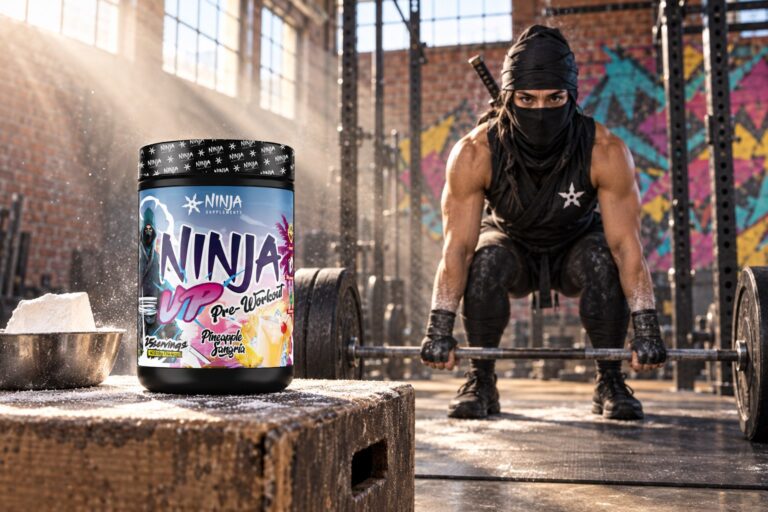

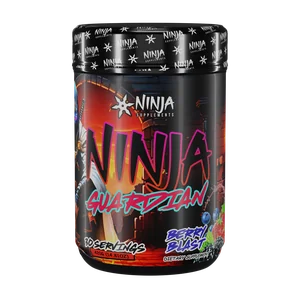
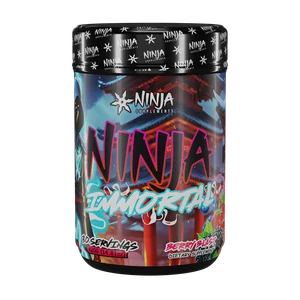
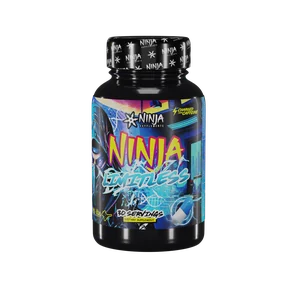
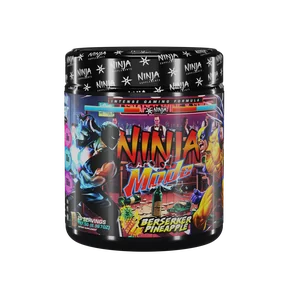
Most gym-goers pop their pre-workout at some point before training and assume timing doesn’t really matter. But here’s the truth: when you take your pre-workout is just as important as what’s in it. Nail the timing, and you’ll be firing on all cylinders the moment you touch the barbell. Miss the window, and you’re either still waiting for the ingredients to kick in mid-session or crashing before your last set.
Let’s break down the science of pre-workout timing, how key ingredients behave in your body, and exactly when you should be scooping up to crush your workout at its absolute peak.
The Golden Window: 20–45 Minutes Before Training

The most widely recommended pre-workout timing, and the one backed by the most research, is 20 to 45 minutes before your workout begins. This window exists because the primary active ingredients in most pre-workouts need time to absorb into the bloodstream and reach peak plasma concentration.
Take it too early, and some compounds will peak and begin declining before your first rep. Take it too late, and you’ll still be ramping up while you’re already mid-warm-up. The 30-minute mark is widely considered the sweet spot for most formulations.
That said, individual factors (your body weight, metabolism, whether you’ve eaten recently, and your caffeine sensitivity) all influence how quickly your body processes pre-workout ingredients. Paying attention to how your body responds is part of maximizing your personal performance strategy.
How Pre-Workout Ingredients Drive Timing Decisions
Understanding why timing matters means understanding what’s actually happening inside your body. This is where clinically dosed ingredient transparency becomes crucial, because the timing recommendations for different ingredients aren’t the same.
Caffeine
Caffeine is the most studied ergogenic aid in sports science. According to research from the National Institutes of Health, caffeine reaches peak plasma concentration approximately 30 to 60 minutes after ingestion. For most people, this means consuming a caffeine-containing pre-workout about 30 minutes before training puts you right at peak alertness and stimulation when you need it most.
Caffeine works by blocking adenosine receptors in the brain, adenosine being the compound responsible for making you feel fatigued. The result is elevated focus, reduced perceived exertion, and the ability to push harder for longer.
Beta-Alanine
Beta-alanine is responsible for that characteristic tingling sensation (paresthesia) many people experience. More importantly, it raises muscle carnosine levels, which buffers lactic acid buildup during high-intensity efforts. Unlike caffeine, beta-alanine’s primary benefit is cumulative, meaning consistent daily use builds carnosine stores over time. However, taking it pre-workout still provides some acute buffering support, and timing it 30 minutes out aligns with when you want its effects primed.
Citrulline Malate
Citrulline is one of the most powerful vasodilators in the pre-workout arsenal. It converts to arginine in the kidneys, boosting nitric oxide production and expanding blood vessels for that skin-splitting pump. Research shows citrulline peaks in plasma around 60 to 90 minutes post-ingestion, which means taking your pre-workout 30 to 45 minutes out positions citrulline to hit full stride right when blood flow demand is highest: mid-workout.
Creatine
If your pre-workout includes creatine, timing flexibility increases. Creatine’s primary mechanism is replenishing phosphocreatine stores in muscle tissue, a process that doesn’t require precise acute timing in the same way as caffeine. The International Society of Sports Nutrition recognizes creatine supplementation as safe and effective, noting that consistent use matters more than the exact timing of each dose.
Should You Train Fasted or Fed?
This is one of the most common timing debates in gym culture, and the honest answer is: it depends on your goals and gut tolerance.
Fasted Pre-Workout
Taking pre-workout on an empty stomach generally means faster absorption of active ingredients. Caffeine and other stimulants hit your system more quickly and more intensely. For some, this is ideal: faster activation, sharper focus. For others, it can lead to nausea, jitteriness, or energy spikes followed by crashes.
If you’re training early in the morning and prefer a fasted state, give yourself that full 30-45 minute window and start with a slightly lower dose until you know how your body responds.
Fed Pre-Workout
Having a meal 60-90 minutes before training and then taking your pre-workout 30 minutes out is a solid strategy for most athletes. Food slows gastric emptying, which moderates the absorption curve of ingredients, meaning a smoother, more sustained energy release rather than a sharp spike. This approach tends to work well for longer training sessions where sustained performance matters more than an immediate hit.
Timing Adjustments for Different Training Styles
Not every workout is the same, and your pre-workout timing strategy should reflect that.
- Strength Training: The 30-minute mark works perfectly. You want maximum neuromuscular activation and focus from the first heavy set.
- HIIT / Metabolic Conditioning: Aim for the 25-30 minute window. These sessions are intense from the jump, so you need full ingredient activation immediately.
- Endurance Training: Consider taking pre-workout slightly earlier (40-45 minutes out) to leverage citrulline and caffeine across a longer performance arc.
- Evening Training: Be mindful of your caffeine cutoff. Most experts recommend avoiding stimulants within 5-6 hours of sleep to protect sleep quality, which is essential for recovery and performance. If you train late, look into stimulant-free formulations or adjust your training schedule.
Common Pre-Workout Timing Mistakes to Avoid
Even experienced gym-goers make these errors. Fix them to level up your performance immediately:
- Taking it too late: Scooping up 5 minutes before you lift means most ingredients haven’t reached effective plasma levels. You’re training blind for the first 20-30 minutes.
- Taking it too early: An hour-plus before training and your caffeine peak has already passed. You’ll feel the comedown, not the boost.
- Inconsistent timing: Your body responds better to consistency. Try to train at similar times and use your pre-workout on the same schedule.
- Ignoring hydration: Pre-workout ingredients are delivered through your bloodstream. Dehydration impairs absorption and blunts performance. Drink water consistently throughout the day.
- Stacking carelessly: Adding extra caffeine on top of a full-dose pre-workout to “hit harder” creates diminishing returns and potential cardiovascular strain. Respect the doses.
Pre-Workout Timing and Your Supplement Stack
If you’re using a broader supplement stack (including nootropics for cognitive performance or fat burner supplements), timing coordination becomes even more important. Some compounds interact or compete for the same metabolic pathways.
For a deeper dive into the full landscape of what these formulas can do, check out our comprehensive guide to pre-workout supplements. It covers ingredient science, dosing, and how to choose the right formula for your training goals. If cognitive performance and focus are a priority alongside physical output, our nootropics and focus energy guide breaks down how to maximize mental performance in and out of the gym.
Frequently Asked Questions
How long does pre-workout take to kick in?
Most pre-workout supplements begin showing effects within 20-30 minutes of ingestion, with many key ingredients like caffeine reaching peak plasma concentration around 30-60 minutes post-consumption. This is why the 30-minute pre-training window is considered optimal for most people.
Can I take pre-workout every day?
Taking pre-workout daily can build caffeine tolerance over time, reducing its effectiveness. Many athletes cycle their pre-workout use (taking it on training days only, or cycling off for 1-2 weeks every few months) to maintain sensitivity to stimulants and get consistent performance benefits.
Is it bad to take pre-workout on an empty stomach?
Not necessarily, but it depends on your tolerance. Fasted consumption can accelerate absorption but may increase the risk of nausea or overstimulation in caffeine-sensitive individuals. Starting with a lower dose and assessing your response is the smart approach before going all-in on a full serving fasted.
What if I take pre-workout too late before my workout?
If you take it less than 15 minutes before training, you likely won’t feel the full effect during your session. The ingredients simply haven’t had enough time to absorb and reach effective blood levels. Try to stick to the 25-45 minute window to maximize every rep.
Does pre-workout timing affect sleep?
Yes, significantly. Caffeine has a half-life of approximately 5-6 hours, meaning half of it is still active in your system hours after consumption. According to research reviewed by the Sleep Foundation, caffeine consumed too close to bedtime can delay sleep onset and reduce sleep quality. If you train in the evening, consider a stimulant-free pre-workout option.
Time It Right, Train at Your Best
Pre-workout timing isn’t complicated, but it is something most people get wrong by default. Take it 30 minutes before training, understand how the key ingredients behave in your body, adjust for your training style and schedule, and stay consistent. That simple framework puts you ahead of the majority of gym-goers who are leaving performance on the table every session.
The science is clear. The application is straightforward. Now it’s your turn to execute. Explore our full breakdown of pre-workout supplements and find a formula built with the clinically dosed ingredient transparency you deserve, because when the formula is right and the timing is dialed in, there’s nothing left to do but crush your workout.