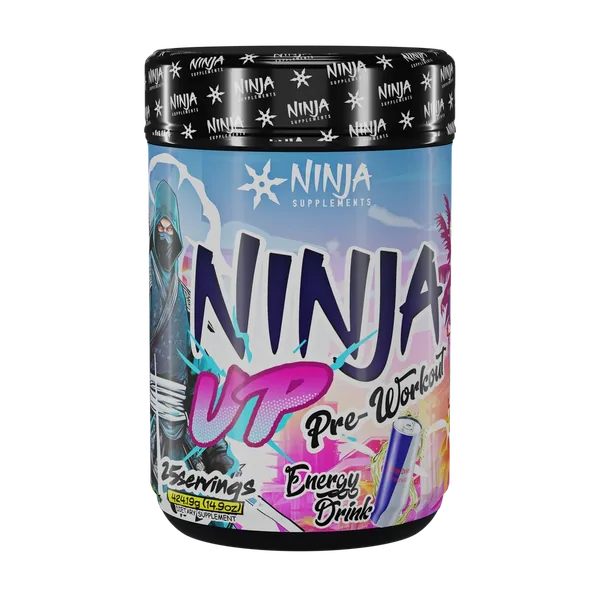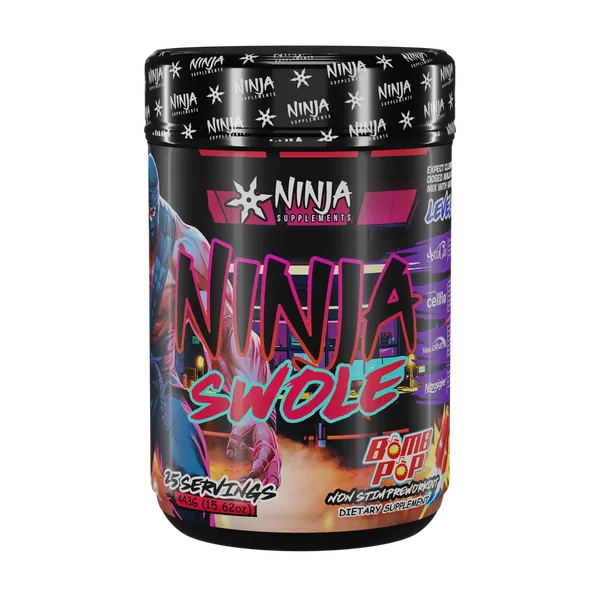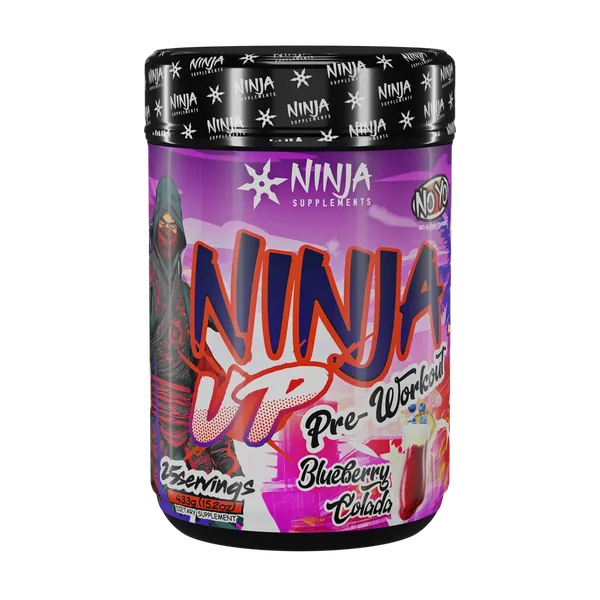

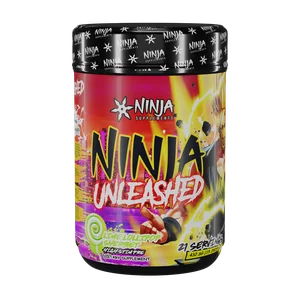
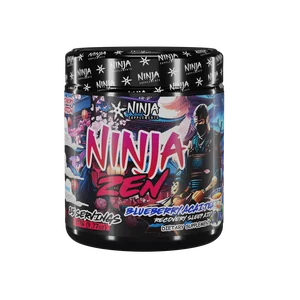
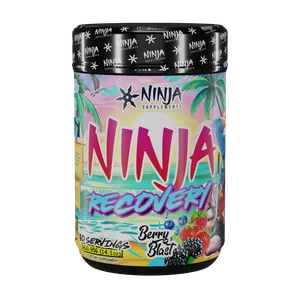
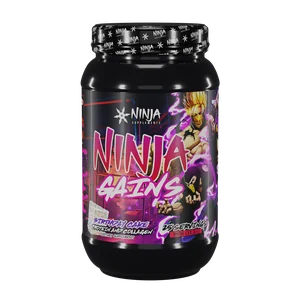
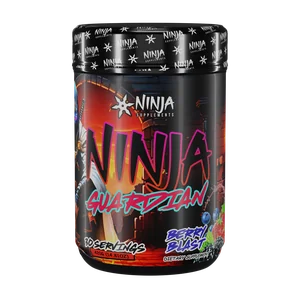
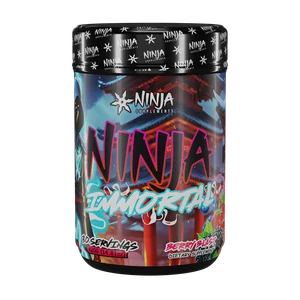
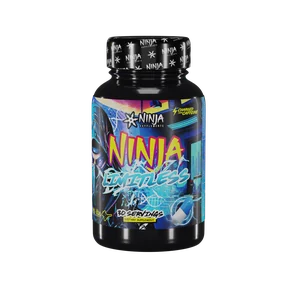
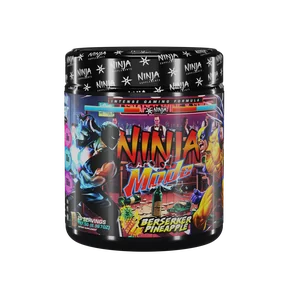
Walk into any supplement store, and you’ll find hundreds of pre-workout options promising explosive energy and muscle-bursting pumps. But lately, there’s been a surge in “natural” pre-workout alternatives (from beetroot juice to black coffee) touted as gentler options that deliver results without the jitters. The real question isn’t whether these alternatives exist, but whether they can actually compete with clinically-dosed formulations designed to maximize performance.
Let’s cut through the marketing hype and examine what science says about natural pre workout options, how they stack up against traditional formulas, and whether you’re sacrificing gains by going the “natural” route.
Understanding What Makes a Pre-Workout “Natural”
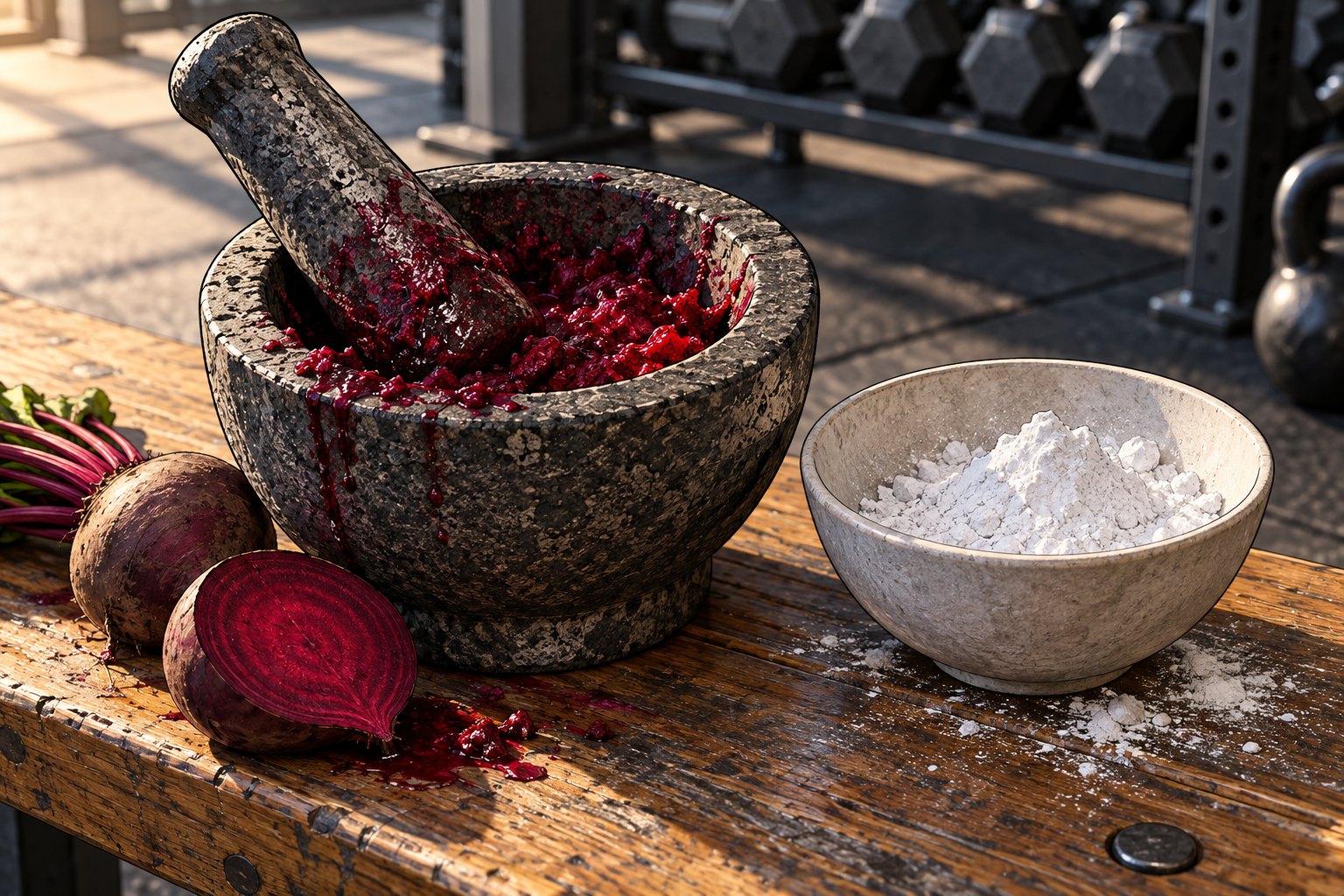
The term “natural” gets thrown around loosely in the supplement industry, often meaning different things to different brands. Generally, when people refer to natural pre-workout alternatives, they’re talking about whole food sources or minimally processed ingredients that provide energy and performance benefits without synthetic compounds.
Common natural alternatives include:
- Black coffee or green tea for caffeine
- Beetroot juice for nitric oxide production
- Tart cherry juice for recovery support
- Coconut water for electrolytes
- Bananas for quick-digesting carbohydrates
- Raw honey for sustained energy
Here’s the reality: many ingredients in the best pre workout formulas actually come from natural sources. Caffeine is extracted from coffee beans or tea leaves. Beta-alanine occurs naturally in meat and fish. Citrulline is found in watermelon. The difference lies in concentration and precision dosing.
The Science Behind Natural Pre-Workout Ingredients
Caffeine from Coffee vs. Synthetic Sources
Caffeine is caffeine, whether it comes from a coffee bean or a lab. Your body processes it identically. A cup of strong black coffee contains roughly 95-200mg of caffeine, depending on the brew. The advantage of coffee is that it’s accessible and comes with antioxidants. The disadvantage? Inconsistent dosing and potential digestive issues from the acids and oils.
Quality pre-workout supplements provide precise caffeine doses (typically 150-350mg), allowing you to dial in exactly what your body needs to crush your workout. When comparing pre workout vs energy drinks or coffee, consistency matters for performance.
Beetroot Juice and Nitric Oxide Production
Beetroot juice has legitimate scientific backing. It’s rich in dietary nitrates that your body converts to nitric oxide, promoting vasodilation and improved blood flow to working muscles. Studies show that consuming 300-500ml of beetroot juice 2-3 hours before training can enhance endurance performance by 1-3%.
Sounds great, right? The catch: you need to consume it regularly for several days to see peak benefits, it tastes like dirt to many people, and it contains natural sugars that might not fit your macros. Plus, that amount of liquid sitting in your stomach before heavy squats isn’t ideal.
Compare this to L-citrulline in pre-workout formulas at 6-8 grams per serving, which directly converts to arginine and produces reliable nitric oxide elevation without the inconvenience.
Tart Cherry Juice for Recovery
Tart cherry juice contains anthocyanins with anti-inflammatory properties. Research indicates it may reduce muscle soreness and accelerate recovery. However, you’d need to consume it consistently as part of your overall nutrition strategy rather than as an acute pre-workout boost. It’s more of a recovery tool than a performance enhancer for your immediate training session.
Pre Workout Benefits: Natural vs. Formulated
The primary pre workout benefits people seek include increased energy, enhanced focus, improved endurance, greater muscle pumps, and delayed fatigue. Let’s break down how natural alternatives compare.
Energy and Focus
Black coffee can absolutely provide the energy boost needed for training. Many elite athletes swear by it. However, formulated pre-workouts often combine caffeine with L-tyrosine, alpha-GPC, or other nootropics that enhance focus and mind-muscle connection beyond what caffeine alone provides.
When you’re attempting a new PR or working through a high-volume leg day, that mental edge matters. Natural alternatives deliver partial benefits, but they’re rarely optimized for maximum cognitive enhancement.
Muscle Pumps and Blood Flow
This is where natural alternatives struggle most. While beetroot juice can improve nitric oxide production, achieving comparable pumps to 6-8 grams of citrulline malate would require drinking massive amounts of beet juice, which is impractical and calorie-dense.
The best pre workout formulas include clinical doses of pre workout ingredients specifically chosen to maximize vasodilation. You’re getting concentrated, bioavailable compounds without excess calories or liquid volume.
Endurance and Power Output
Beta-alanine, which causes that characteristic tingling sensation, buffers lactic acid buildup and extends time to exhaustion. While you could eat large quantities of chicken or fish to get beta-alanine naturally, you’d never achieve the 3.2-6.4 gram doses proven effective for performance enhancement through diet alone, at least not without consuming thousands of calories.
Creatine monohydrate, another staple in quality pre-workouts, occurs naturally in red meat. But to get the 5-gram daily dose needed for muscle strength and power benefits, you’d need to eat several pounds of steak. Not exactly practical or budget-friendly.
The Transparency Factor
One legitimate concern with some pre-workout supplements is knowing exactly what you’re getting. This is where natural alternatives have an apparent advantage: you know what’s in your coffee or banana.
However, the solution isn’t abandoning formulated pre-workouts entirely. Instead, choose products with full transparency labels that clearly list every ingredient and its dose. Avoid anything with proprietary blends that hide behind marketing claims without showing you the actual amounts.
When pre workout ingredients are fully disclosed with clinical doses clearly stated, you’re getting the best of both worlds: natural-sourced compounds at concentrations impossible to achieve through whole foods alone, with complete transparency about what’s fueling your performance.
Practical Considerations: Cost and Convenience
Natural pre-workout alternatives can be cost-effective. Black coffee is cheap. Bananas are affordable. However, when you start combining multiple natural sources to replicate the benefits of a comprehensive formula (coffee for caffeine, beetroot juice for pumps, tart cherry for recovery), costs add up quickly.
There’s also the convenience factor. Mixing a scoop of pre-workout in water 20-30 minutes before training is simpler than preparing multiple whole food items and timing their consumption appropriately. When you’re rushing from work to the gym, simplicity matters.
When Natural Alternatives Make Sense
Natural pre workout options aren’t useless. They’re just different tools for different situations. They make sense when:
- You’re training later in the day and want to avoid high caffeine doses that might disrupt sleep
- You have a sensitive stomach that reacts poorly to certain compounds
- You’re on a tight budget and need basic energy support
- You prefer whole food nutrition approaches as part of your lifestyle philosophy
- You’re doing light to moderate intensity training where maximum performance isn’t critical
For casual gym-goers doing moderate workouts, a cup of coffee and a banana might provide sufficient support. But if you’re serious about progressive overload, chasing PRs, or training at high intensity consistently, you’re leaving performance on the table.
The Hybrid Approach: Getting the Best of Both Worlds
You don’t have to choose one extreme. Many successful athletes combine natural nutrition strategies with targeted supplementation. This might look like:
- Using a quality pre-workout for intense training days while relying on coffee for lighter sessions
- Building a foundation with whole foods while supplementing specific performance ingredients you can’t get adequate amounts of through diet
- Cycling your approach: using formulated pre-workouts during focused training blocks and natural alternatives during deload weeks
The key is understanding what you’re trying to achieve and using the right tool for the job.
What Actually Works: The Bottom Line
Natural pre-workout alternatives work, but with significant limitations. They can provide basic energy support and some performance benefits, particularly for beginners or recreational exercisers. However, they cannot match the precision, concentration, or comprehensive benefits of well-formulated pre-workouts with clinically dosed ingredients.
If your goal is simply feeling more awake for your workout, natural options deliver. If your goal is maximizing every training session to level up your physique, strength, and performance, they fall short.
The best pre workout isn’t necessarily the one with the longest ingredient list or the most exotic compounds. It’s the one that transparently provides clinical doses of proven ingredients that target your specific goals. Compare that to the uncertainty and imprecision of natural alternatives, and the choice becomes clearer.
Making Your Decision
When evaluating whether natural alternatives work for you, ask yourself:
- What are my specific performance goals?
- How serious am I about maximizing every training session?
- Do I need precise dosing of performance compounds?
- Am I willing to sacrifice some convenience for a “natural” approach?
- Can I achieve my required nutrient intake through whole foods alone?
Your answers will guide your choice. There’s no universal right answer, but there is an honest one based on your priorities.
Ready to Maximize Your Performance?
Natural pre-workout alternatives have their place, but if you’re serious about crushing your workouts and achieving your fitness goals, don’t settle for half-measures. Look for transparent, clinically-dosed pre-workout formulas that give you exactly what your body needs to perform at its peak: no guessing, no underdosing, no proprietary blend mysteries.
Your training deserves better than hoping a cup of coffee and a banana will carry you through a brutal leg day. Level up your supplementation strategy with the same intensity you bring to your training. Choose transparency, choose clinical doses, and choose results that match your effort.