
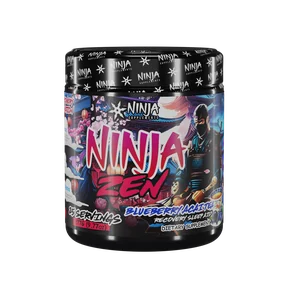
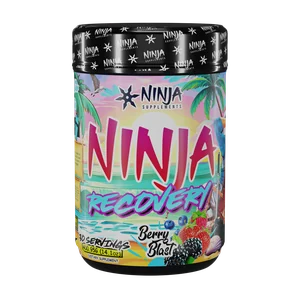
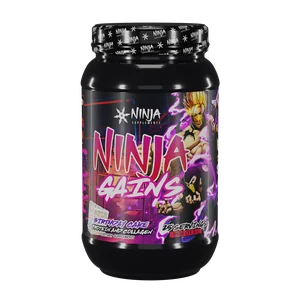
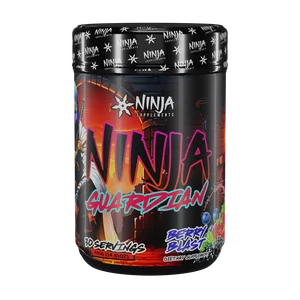
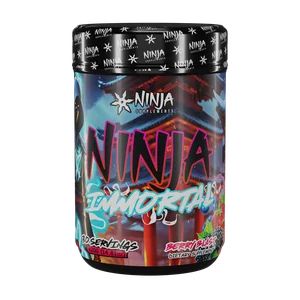
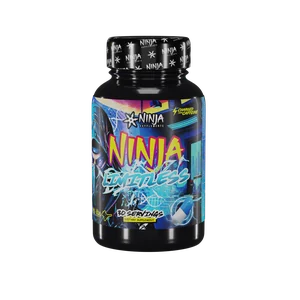

An energy drink is built to keep you alert; a pre-workout is built for the training session. Both run on caffeine, and both can help: a 2017 meta-analysis of 34 studies found caffeinated energy drinks improved muscle strength and endurance. The difference is what sits next to the caffeine: the average bestselling energy drink held 159 mg of caffeine and, when sugared, 22 g of sugar (ISSN, 2023), while a pre-workout adds training ingredients such as citrulline malate.
Picture a gas station fridge on Biscayne at 5:45 AM, leg day in an hour. Here is the side-by-side, then the maths for your body weight.
The Short Version
- Both work, through caffeine: energy drinks and pre-workouts with caffeine both improve performance, and 3 to 6 mg per kg of body weight is the range that consistently helps (ISSN position stand, 2021).
- The average can is light for a lifter: 159 mg across 55 bestselling energy drinks, about 2 mg per kg for an 80 kg lifter (ISSN position stand, 2023).
- Pre-workouts add training ingredients: 6 to 8 g of citrulline malate added about 3 reps (6.4%) across sets to failure, a small effect (meta-analysis of 8 studies, 2021).
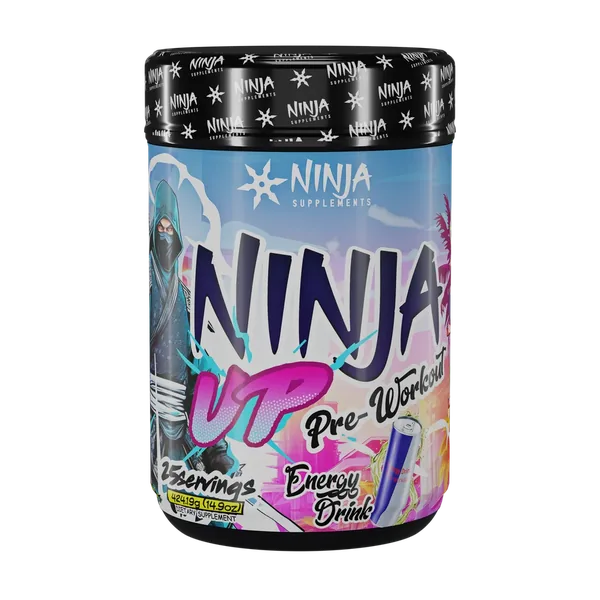
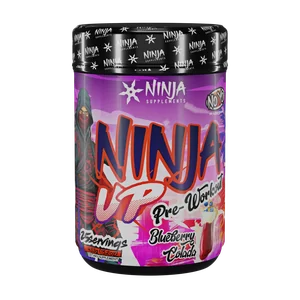
- Ninja Up holds 300 mg of caffeine anhydrous plus 135 mg of Infinergy (dicaffeine malate) a scoop, with 6000 mg of L-citrulline malate 2:1.
What Is the Difference Between Pre-Workout and an Energy Drink?
The difference is the job: an energy drink is a ready-to-drink caffeine beverage, often with sugar or sweeteners, B vitamins and taurine, while a pre-workout is a powder built around the session, with ingredients such as citrulline and beta-alanine next to the caffeine. Think of the energy drink as a taxi and the pre-workout as the getaway car. Both get you there. Only one was built for the job.
| Energy drink | Pre-workout | |
|---|---|---|
| Built for | Alertness, any time of day | The training session |
| Caffeine | 159 mg on average across 55 bestsellers (ISSN); 54 to 328 mg per 16 oz (FDA) | Depends on the tub; Ninja Up lists 300 mg caffeine anhydrous plus 135 mg Infinergy |
| Sugar | In about half of bestsellers, 22 g on average when present (ISSN) | Ninja Up is sweetened with sucralose and acesulfame potassium |
| Training ingredients | Mostly taurine and B vitamins; their added benefit “remains to be determined” (ISSN) | Citrulline, beta-alanine, betaine and more; Ninja lists each dose on the panel |
| The evidence | 34 studies: better strength and endurance, not sprinting (2017) | May help muscular endurance and mood; mixed on force (2018 review) |
| Caffeine on the label | Amount not always listed (FDA, ISSN) | Listed in milligrams on Ninja Up’s facts panel |
Can You Use an Energy Drink as a Pre-Workout?
Yes, if the can carries enough caffeine: the ISSN says energy drinks taken 10 to 60 minutes before exercise can improve focus, alertness and performance at more than 3 mg of caffeine per kg of body weight. For an 80 kg lifter, that is more than 240 mg.
Here is the catch. The average bestselling energy drink held 159 mg, about 2 mg per kg for that same lifter. The ISSN’s caffeine position stand says the minimum that works may be as low as 2 mg per kg, so the average can sits at the floor, not in the zone. The ISSN’s verdict on the rest of the can: the effect appears to come from the caffeine and the carbohydrate.
So an energy drink before the gym is not bad, just a taxi: read the caffeine number, count the sugar, and do not expect a pump.

Does Pre-Workout Give You More Energy Than an Energy Drink?
A high-stim pre-workout gives more of the energy feeling when it carries more caffeine, and caffeine is where that feeling comes from. In a 2022 Texas Tech trial, 24 trained men and women took a caffeinated pre-workout, the same formula without caffeine, or a placebo. Both versions raised peak force on an isometric squat; only the caffeinated one raised energy ratings.
Put the numbers side by side. The average energy drink: 159 mg. One scoop of Ninja Up: 300 mg of caffeine anhydrous plus 135 mg of Infinergy, and the front of the tub reads “400MG Deliverable Caffeine”. That is far more caffeine, and by the front label’s own figure, the FDA’s whole day for most adults in one scoop. How to pick the right amount for your tolerance: how much caffeine a high-stim pre-workout should have.
What Does Pre-Workout Have That an Energy Drink Doesn’t?
A pre-workout adds training ingredients that are not on the energy drink’s usual list (ISSN), at doses the studies used. The two that matter most:
- Citrulline malate: 6 to 8 g taken 40 to 60 minutes before training added about 3 reps (6.4%) across sets to failure in a 2021 meta-analysis of 8 studies and 137 people. Small, real.
- Beta-alanine: 4 to 6 g a day for at least 2 to 4 weeks improves performance, most clearly in efforts of 1 to 4 minutes. Its only reported side effect is tingling (ISSN).
The honest limits: a 2018 review found pre-workouts may help muscular endurance and mood, with mixed results on force and power. In the 2022 trial, neither version moved bench press or leg press numbers. A scoop helps the session; the session builds the muscle. Every ingredient, dose by dose: the pre-workout ingredients that actually work.
Can You Drink an Energy Drink and Take Pre-Workout Together?
Not with a high-stim scoop: the caffeine adds up past the FDA’s 400 mg a day for most adults before you finish the can. Ninja Up’s 300 mg of caffeine anhydrous plus an average 159 mg energy drink is 459 mg, before you count the scoop’s Infinergy or your morning coffee. The ISSN warns that energy drinks used in multiple servings or with other caffeinated drinks may lead to adverse effects, and the FDA says toxic effects can be seen with rapid intake of around 1,200 mg. Pick one per session.
Is It Okay to Have an Energy Drink or Pre-Workout Every Day?
For most healthy adults, daily use comes down to the day’s caffeine total and the sugar, not the name on the label: keep every source under the FDA’s 400 mg. The ISSN asks regular energy drink users to weigh the sugar’s effect on blood glucose, and most pre-workout safety studies ran under eight weeks.
Keep caffeine at least 6 hours away from bedtime: in a 2013 sleep study, 400 mg taken 6 hours before bed still disrupted sleep. And if a daily scoop leaves you shaky, read why pre-workout makes you jittery and how to stop it.
Pre-Workout or Energy Drink: Which Should You Pick?
- Pick a pre-workout if: you are training and want the caffeine and the training ingredients in one measured scoop.
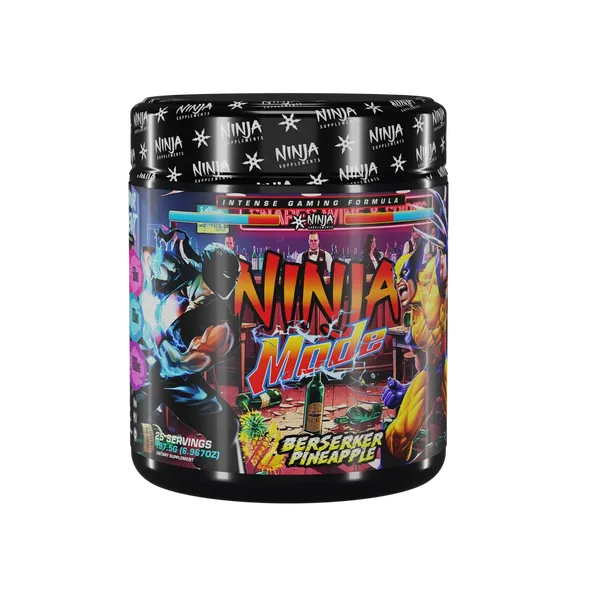
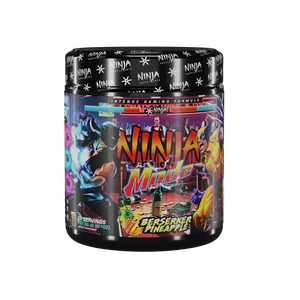
- Pick an energy drink if: you need to stay alert for a drive or a desk, not a barbell. For long sessions at a screen, Ninja Mode is our gaming energy and focus mix.
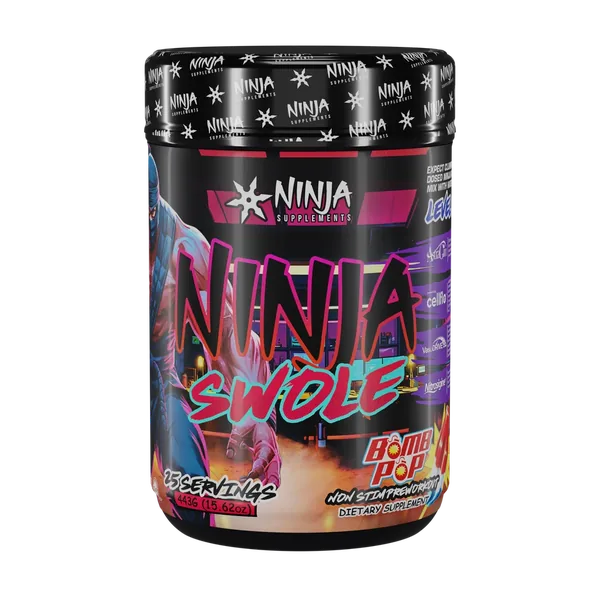
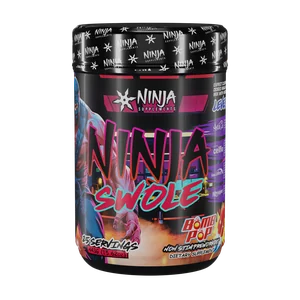
- Pick a stim-free scoop if: you train within 6 hours of bed or you are caffeine sensitive. That is Ninja Swole’s job.
Coach’s Corner: The First 15 Minutes
- Time the caffeine: the scoop 40 to 60 minutes before your first working set, then 5 minutes easy on the rower or bike.
- Walking lunge with a twist: 2 x 6 each leg, 30 seconds rest. Front knee over the middle of the foot, chest turns toward the front leg.
- Push-up: 2 x 8 to 12, 45 seconds rest. Body in one straight line, chest to a fist’s height from the floor.
- Band face pull: 2 x 15, 30 seconds rest. Pull to your forehead, elbows high.
- Ramp-up sets of your first lift: 8, 5 and 3 reps at about 50, 70 and 85% of your working weight, 60 to 90 seconds rest. Fast and crisp, never to failure.
Healthy adults: if you have an injury, pain, a heart condition, or you are new to training, check with your doctor before you start. Stop if it hurts.

The Fuel Plan
| 80 kg lifter | 100 kg lifter | |
|---|---|---|
| Caffeine that helps in studies (3 to 6 mg per kg, ISSN) | 240 to 480 mg | 300 to 600 mg |
| FDA figure for most adults, every source counted | 400 mg a day | 400 mg a day |
| The average energy drink (159 mg, ISSN) | about 2.0 mg per kg | about 1.6 mg per kg |
| Last caffeine before bed (sleep study, 2013) | 6 hours or more | 6 hours or more |
Where the caffeine rows disagree, the lower number wins. On a Ninja Up day, the scoop is the day’s caffeine: no coffee, no can. These are general numbers for healthy adults. With kidney disease, diabetes or any medical diet, ask your doctor or a registered dietitian.
Where Ninja Up Fits
Choosing for the gym? Choose the tool built for it, and read the milligrams. Ninja Up is our high-stim pre-workout: 300 mg of caffeine anhydrous plus 135 mg of Infinergy a scoop, with 6000 mg of L-citrulline malate 2:1 (the low end of the 6 to 8 g the citrulline studies used), 3200 mg of beta-alanine and 150 mg of L-theanine. It even comes in a flavour called Energy Drink. The difference is everything else in the scoop.
It is strong on purpose. If you train early, handle caffeine well and want the session rather than the gas station, this is the tub.
Who it’s for: experienced caffeine users who want energy, focus and the pump in one scoop. Who it’s not for: the caffeine sensitive, anyone under 18, pregnant or nursing, anyone training late (Ninja Swole is stim free), or anyone avoiding yohimbine (Ninja Up NoYo leaves it out).
Ninja Up: The Doses This Article Is About
Per serving, straight from the label. The full label is on the product page.
| Caffeine Anhydrous | 300 mg |
| Infinergy™ (as Dicaffeine Malate) | 135 mg |
| L-Citrulline Malate 2:1 | 6000 mg |
| Beta Alanine | 3200 mg |
| L-Theanine | 150 mg |
| Alpha Yohimbine 90% Rauwolscine (Rauwolfia vomitoria)(Root) | 2.5 mg |
The numbers: $49.99 for 25 servings is $2.00 a scoop, or $1.70 a scoop with Subscribe and Save at 15% off. Flavours on sale: Energy Drink, Grape Bubblegum, Juiced Fruit and Pineapple Sangria.
The product Ninja Up buyers add most often is Ninja Gains, the protein for after the session the scoop gets you through.
I really love this pre workout. It gives really great energy and focus that lasts throughout my entire workout. This is definitely one of my top three pre's right now. Juiced fruit tastes amazing....
Best Pre on the market
This pre workout hits hard with clean ingredients. Taste amazing 🤩. You won’t regret buying this. Customer service was amazing too
Ninja Up holds 300 mg of caffeine anhydrous plus 135 mg of Infinergy (dicaffeine malate) and 2.5 mg of alpha yohimbine (rauwolscine) a scoop: for experienced stimulant users only. Not for anyone under 18, pregnant or nursing. If you have a heart condition or take medication, check with your doctor first, and do not stack it with other caffeine.
Frequently Asked Questions
Is an energy drink the same as pre-workout?
No. An energy drink is a ready-to-drink caffeine beverage, often with sugar or sweeteners, taurine and B vitamins. A pre-workout is a powder built for training, with ingredients such as citrulline and beta-alanine next to the caffeine. Read the label for the milligrams either way.
How long does an energy drink last?
The kick arrives within the hour (the ISSN’s evidence covers energy drinks taken 10 to 60 minutes before exercise), and the caffeine lasts far longer than the feeling. In a 2013 sleep study, 400 mg of caffeine taken 6 hours before bed still disrupted sleep. Keep the last can or scoop at least 6 hours before bedtime.
How much caffeine should a pre-workout have?
Dose it to your body weight: the ISSN puts the helpful range at 3 to 6 mg per kg, which is 240 to 480 mg for an 80 kg lifter. Count every source against the FDA’s 400 mg a day for most adults, and start at the low end if you are new to stimulants.
Are energy drinks or pre-workouts okay for teenagers?
The ISSN advises teenagers aged 12 to 18 to be cautious and get a parent’s guidance, and says energy drinks are not recommended for children aged 2 to 12. Ninja’s stimulant pre-workouts are not for anyone under 18.
Next on the list: Natural Pre-Workout Alternatives: Do They Deliver? And when you want the session over the gas station, Ninja Up is the scoop built for it.
Sources
- Jagim AR, et al. International society of sports nutrition position stand: energy drinks and energy shots. Journal of the International Society of Sports Nutrition, 2023.
- Souza DB, et al. Acute effects of caffeine-containing energy drinks on physical performance: a systematic review and meta-analysis. European Journal of Nutrition, 2017.
- Guest NS, et al. International society of sports nutrition position stand: caffeine and exercise performance. Journal of the International Society of Sports Nutrition, 2021 (several authors advise supplement or coffee companies).
- Harty PS, et al. Multi-ingredient pre-workout supplements, safety implications, and performance outcomes: a brief review. Journal of the International Society of Sports Nutrition, 2018.
- Stratton MT, et al. The influence of caffeinated and non-caffeinated multi-ingredient pre-workout supplements on resistance exercise performance and subjective outcomes. Journal of the International Society of Sports Nutrition, 2022.
- Vårvik FT, Bjørnsen T, Gonzalez AM. Acute Effect of Citrulline Malate on Repetition Performance During Strength Training: A Systematic Review and Meta-Analysis. International Journal of Sport Nutrition and Exercise Metabolism, 2021.
- Trexler ET, et al. International society of sports nutrition position stand: Beta-Alanine. Journal of the International Society of Sports Nutrition, 2015.
- Drake C, et al. Caffeine effects on sleep taken 0, 3, or 6 hours before going to bed. Journal of Clinical Sleep Medicine, 2013.
- US Food and Drug Administration. Spilling the Beans: How Much Caffeine is Too Much?
How we wrote this: Google shows this page for “pre workout energy” and “energy drink as pre workout”, and People also ask wants to know whether energy drinks and pre-workout are safe every day, so we rebuilt it around those questions. We read the position stands, reviews and trials above, took the energy drink averages from the 75 bestselling energy drinks and shots tabled in the ISSN’s 2023 position stand, and checked every Ninja Up dose against the product label. These statements have not been evaluated by the Food and Drug Administration. This product is not intended to diagnose, treat, cure, or prevent any disease.