
Greens powders are built on vegetables, grasses and algae; reds powders on berries, red fruit and often beetroot. Greens cover the vegetable side of your plate and reds the fruit side, and most adults miss both: in the CDC’s 2019 survey across 49 states and DC, only 12.3% of US adults ate enough fruit and 10.0% ate enough vegetables. Neither powder replaces the produce, so pick by the gap you have, or take one formula that holds both.
People search “greens and reds powder” and “reds vs greens” because they see two tubs side by side and wonder whether they are paying twice for the same thing. They are not. Here is what separates them, what the research supports, and how to pick.
The Short Version
- Different colours, different chemistry: greens carry chlorophylls; reds carry flavonoids such as anthocyanins, and betalains when beetroot is in (Molecules umbrella review of 86 studies, 2022).
- The gap is real: 12.3% of US adults met the fruit target and 10.0% the vegetable target in 2019; among men, only 10.1% met the fruit target (CDC, MMWR 2022).
- Powders move some numbers: across 22 reports, daily mixed fruit and vegetable concentrates raised blood levels of beta-carotene, vitamins C and E, and folate (Journal of the American College of Nutrition, 2011).
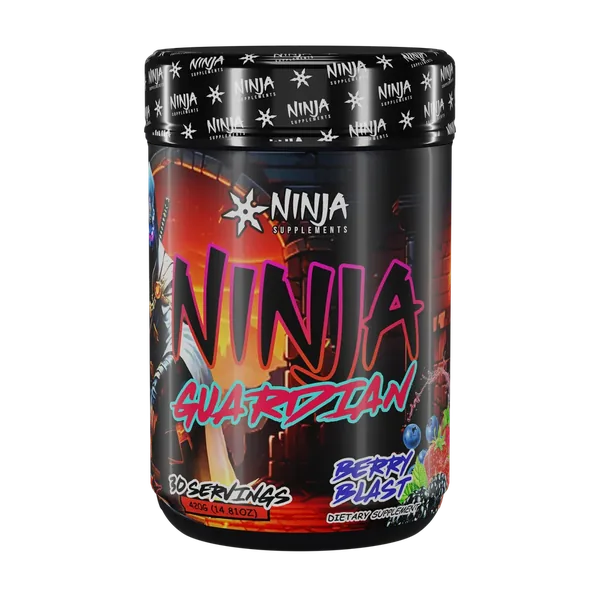
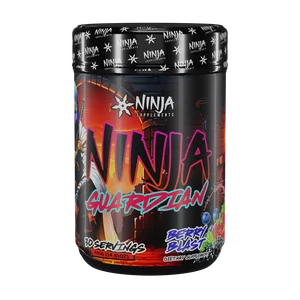
- Ninja Guardian holds both sides in one 14 g scoop: 4000 mg of spirulina and a 2000 mg greens blend, plus a 1000 mg berry blend, 500 mg of pomegranate and 250 mg of cherry (label).
What Is the Difference Between Greens and Reds Powder?
The difference is the colour of the plants, and colour is chemistry. Greens powders are dried leafy vegetables, cereal grasses and algae; reds powders are dried berries, red and purple fruit and, in many formulas, beetroot. Think of the traffic lights on Ocean Drive: same pole, different signals, and you want both working.
| Greens powder | Reds powder | |
|---|---|---|
| Built from | Leafy vegetables (kale, spinach), cereal grasses (wheatgrass, barley grass), algae (spirulina, chlorella) | Berries (acerola, cranberry, strawberry), pomegranate, cherry, often beetroot |
| The colour compounds | Chlorophylls | Anthocyanins and other flavonoids; betalains if beetroot is in |
| The food gap it maps to | Vegetables: 3 servings a day in the 2025 to 2030 Dietary Guidelines | Fruit: 2 servings a day |
| Nitrate | Leafy greens are a natural source as whole vegetables | Only if the formula contains beetroot |
| Replaces produce? | No | No |
What Is Actually in a Greens Powder?
Mostly dried plants that most people do not eat enough of. A typical greens powder stacks algae (spirulina and chlorella), cereal grasses (wheatgrass, barley grass, oat grass, alfalfa) and dried leafy vegetables such as kale, often with a probiotic, digestive enzymes or a fibre like inulin.
The green itself comes from chlorophylls, one of four pigment families (with carotenoids, flavonoids and betalains) weighed in a 2022 umbrella review of 86 studies covering more than 37 million people. When the reviewers counted health links unique to one colour, green had one, red had six and purple and blue had eight. Read that as a map of where researchers have looked, not a ranking: the review’s own conclusion is that variety across colours may add benefits beyond the total amount of fruit and vegetables you eat.

What Does a Reds Powder Add That Greens Don’t?
Berry pigments, mainly. Reds powders lean on anthocyanins and other flavonoids, the polyphenols that give berries, cherries and pomegranate their colour and a good part of their taste. A 2019 Sports Medicine review of fruit polyphenols in athletes found that about 300 mg taken one to two hours before exercise may help endurance and repeated sprints in a small number of studies, and that a larger body of evidence supports more than 1000 mg a day, for three or more days around hard training, for recovery from muscle damage.
The second thing many reds add is beetroot, which means nitrate, which the body turns into nitric oxide, the molecule that relaxes blood vessels. Greens are not out of that race: Lidder and Webb’s 2013 review of dietary nitrate is titled for nitrate “as found in green leafy vegetables and beetroot”. Whether one scoop reaches the studied doses is a separate question, tested ingredient by ingredient in Do Greens and Reds Powders Boost Gym Performance?
What Are the Benefits of Greens and Reds Powder?
The honest benefit is a nutrient top-up you can measure in blood. The best summary of mixed fruit and vegetable concentrates is a 2011 University of Toronto systematic review of 22 reports: daily use raised blood levels of beta-carotene, vitamins C and E, and folate, and no study reported serious side effects. The authors called these products a complement for people who struggle to eat enough produce, and asked for larger and better trials.
Two limits keep that straight. The 22 reports tested mixed fruit and vegetable concentrates, not any one greens or reds formula, so no single product can borrow their results, ours included. And in the colour review, 91% of the improvements it found were graded very low to low certainty: consistent in direction, promising, not proof. Anyone selling a scoop as a salad is overreaching. We sell a scoop too, and it sits on top of your vegetables, not in place of them: what a daily greens scoop does for training.
Greens or Reds: Which One Do You Need?
Pick by the gap on your plate, not by the label art.
- Pick a greens powder if vegetables are your weak spot: fruit turns up at breakfast, but a vegetable only appears at dinner, if at all.
- Pick a reds powder if fruit is the gap, or you specifically want beetroot nitrate before endurance work. Check the label for beetroot; some reds formulas are berries only, ours included.
- Pick both, or one formula with both, if you look like most men in that CDC survey: only 10.1% of men met the fruit target, the lowest of any group, and only 10.0% of all adults met the vegetable target.
- Pick neither if you already eat three servings of vegetables and two of fruit most days. Put the money into protein instead.
Can You Take Greens and Reds Together?
Yes, and a combined greens and reds formula is simply that pairing in one tub. Take it when you will remember it; breakfast is the easy anchor. Before you commit to any tub, check the label for a green tea extract and for herbs such as ashwagandha, which matter if you are pregnant or take medication. For what a daily scoop can and cannot do for energy and recovery, read Does Greens Powder Help Workout Energy and Recovery?
Coach’s Corner: The 25-Minute Green Light Finisher
- Bike or rower warm-up: 5 minutes, easy building to moderate, no rest. Nose breathing for the first two minutes.
- Kettlebell swings: 4 sets of 15, 60 seconds rest. Snap the hips forward; the arms only guide the bell.
- Goblet reverse lunges: 3 sets of 8 a leg, 60 seconds rest. Long step back, front knee over the middle of the foot.
- Bike sprints: 6 rounds of 20 seconds hard, 100 seconds easy. Hard means you could not hold the pace for 30 seconds.
- Walk it off: 5 minutes easy. You are done when you can talk in full sentences again.
Healthy adults: if you have an injury, pain, a heart condition, or you are new to training, check with your doctor before you start. Stop if it hurts.

The Fuel Plan
| The day | 80 kg lifter | 100 kg lifter |
|---|---|---|
| Protein (ISSN: 1.4 to 2.0 g per kg) | 112 to 160 g | 140 to 200 g |
| Vegetables, the greens side (Dietary Guidelines, 2,000 calorie pattern) | 3 servings: spinach in the eggs, a big salad at lunch, broccoli at dinner | 3 servings, scaled up if you eat well over 2,000 calories |
| Fruit, the reds side | 2 servings: berries at breakfast, cherries or an apple later | 2 servings, scaled up the same way |
| The scoop | 1 scoop Ninja Guardian (14 g) in water with breakfast, on top of the food above | The same single scoop |
These are general numbers for healthy adults. With kidney disease, diabetes or any medical diet, ask your doctor or a registered dietitian.
Where Ninja Guardian Fits
If you are short on both sides of the colour line, like most of the men in that CDC survey, one formula that holds both saves you a second tub and a second habit. Ninja Guardian is our daily greens and reds: 4000 mg of spirulina, a 2000 mg greens blend, chlorella, kale and moringa on the green side, and a 1000 mg berry blend, 500 mg of pomegranate and 250 mg of cherry on the red side, in one 14 g scoop. Add up the label and the greens come to 7000 mg against 1750 mg of reds, so it is a greens-first formula with a real reds layer, plus KSM-66 ashwagandha (300 mg), rhodiola (300 mg), a mushroom blend and a probiotic.
Who it’s for: lifters who want greens and reds in one daily drink, on top of the vegetables they already eat. Who it’s not for: anyone planning to drink it instead of eating vegetables, or anyone shopping for a beetroot nitrate product, because Guardian holds no beetroot.
Ninja Guardian: The Doses This Article Is About
Per serving, straight from the label. The full label is on the product page.
| Spirulina Powder | 4000mg |
| Green Balance Alkalizing Blend® (Organic) Alfalfa Grass Powder, Astragalus P.E. 10:1, Barley Grass Powder, Chlorella Powder, Kale Powder, Lemon Juice Powder, Oat Grass Powder, Spirulina Powder, Wheatgrass Powder | 2000mg |
| BettaBerries® Antioxidant Blend Cabbage Palm Fruit Juice, Acerola Fruit, Amla Fruit, Myrciaria Cauliflora Fruit Pulp, Cranberry Fruit, Lycium Fruit Juice, Mangosteen Whole Fruit, Aristotelia chilensis Whole Fruit, Pomegranate Seeds, Strawberry Fruit Juice, Schisandra Berry | 1000mg |
| Pomegranate Powder | 500mg |
| Chlorella Powder | 500mg |
| Cherry Fruit Powder | 250mg |
| Organic Kale Powder | 250mg |
| Moringa Leaf Powder | 250mg |
At $54.99 for 30 scoops, Ninja Guardian works out at $1.83 a scoop, or $1.56 a scoop on Subscribe and Save (15% off). Berry Blast, Citrus Splash and Mango Crush are all in stock.
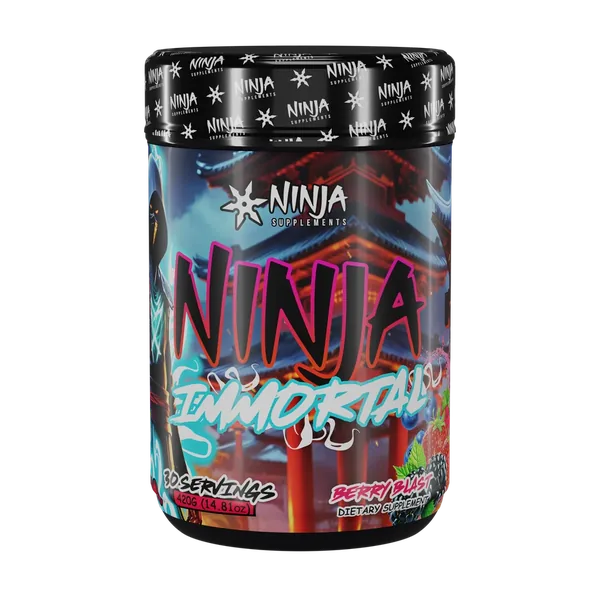
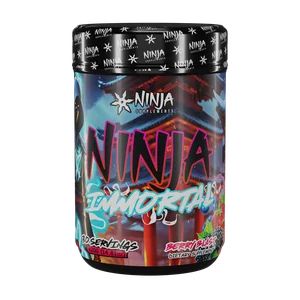
Most people who buy Ninja Guardian also add Ninja Immortal, our daily multivitamin and collagen, to the same order.
Awesome product to get my fruits and vegetables-Love the taste and on par with all the other great product lines they offer. Will definitely keep ordering….
Most greens have a weird greens taste to them. This has a slight greens taste with a nice little kick of Mango. Mixed with Immortal and it was AMAZING!
Amazing taste and mixes well! No weird aftertaste at all!
Ninja Guardian holds ashwagandha, rhodiola and a green tea extract. If you take prescription medication, check with your doctor first. Skip it if you are pregnant or breastfeeding.
Frequently Asked Questions
What are the benefits of greens and reds powder?
The clearest benefit is a nutrient top-up: in a 2011 review of 22 reports, daily mixed fruit and vegetable concentrates raised blood levels of beta-carotene, vitamins C and E, and folate. Reds add berry polyphenols, and beetroot nitrate if the formula includes beetroot. Neither one replaces eating fruit and vegetables.
Is it better to take greens or reds?
Neither is better across the board: greens map to the vegetable gap and reds to the fruit gap. In the CDC’s 2019 data only 12.3% of US adults met the fruit target and 10.0% the vegetable target, so most people are short on both, which is why combined formulas exist.
Can you take greens and reds powder together?
Yes. A combined greens and reds formula is that pairing in one scoop. Ninja Guardian holds 4000 mg of spirulina and a 2000 mg greens blend alongside a 1000 mg berry blend, 500 mg of pomegranate and 250 mg of cherry.
Who should not take greens powder?
Anyone on the blood thinner warfarin should ask their doctor first, because leafy greens carry vitamin K and the NIH advises warfarin users to keep their vitamin K intake about the same every day. Pregnant or breastfeeding women and anyone on prescription medication should check the label for herbs such as ashwagandha and ask their doctor. Nobody should use one instead of vegetables.
Do greens and reds powders replace fruit and vegetables?
No. The 2025 to 2030 Dietary Guidelines ask for 3 servings of vegetables and 2 of fruit a day and say to eat them whole, in their original form. A scoop tops up the day; it does not stand in for the food.
Next read: Does Greens Powder Help Workout Energy and Recovery? And if one scoop of both sounds right, Ninja Guardian is the tub.
Sources
- Lee SH, et al. Adults Meeting Fruit and Vegetable Intake Recommendations: United States, 2019. MMWR Morbidity and Mortality Weekly Report (CDC), 2022.
- Blumfield M, et al. Should We ‘Eat a Rainbow’? An Umbrella Review of the Health Effects of Colorful Bioactive Pigments in Fruits and Vegetables. Molecules, 2022 (funded by Hort Innovation).
- Esfahani A, et al. Health effects of mixed fruit and vegetable concentrates: a systematic review of the clinical interventions. Journal of the American College of Nutrition, 2011.
- Bowtell J, Kelly V. Fruit-Derived Polyphenol Supplementation for Athlete Recovery and Performance. Sports Medicine, 2019.
- Lidder S, Webb AJ. Vascular effects of dietary nitrate (as found in green leafy vegetables and beetroot) via the nitrate-nitrite-nitric oxide pathway. British Journal of Clinical Pharmacology, 2013.
- Jäger R, et al. International Society of Sports Nutrition Position Stand: protein and exercise. Journal of the International Society of Sports Nutrition, 2017.
- US Department of Agriculture and Department of Health and Human Services. Dietary Guidelines for Americans, 2025 to 2030. January 2026.
- NIH Office of Dietary Supplements. Vitamin K: Fact Sheet for Consumers.
- National Center for Complementary and Integrative Health (NIH). Ashwagandha.
How we wrote this: we rewrote this page because Google shows it for “greens and reds powder”, “reds vs greens” and “reds and greens supplement”; we read the CDC’s intake data, the 2025 to 2030 Dietary Guidelines and the reviews above, and checked every Ninja Guardian dose against the product label. These statements have not been evaluated by the Food and Drug Administration. This product is not intended to diagnose, treat, cure, or prevent any disease.