

A little, for some people, and possibly most if your diet runs low on it. A 2026 review of 12 randomised trials found magnesium’s sleep results inconsistent and the certainty of the evidence low, while a 2025 trial in 155 adults found 250 mg a day as magnesium glycinate modestly improved sleep scores. It is a top-up for a shortfall, not a knockout.
“Best magnesium for sleep” is searched about 27,100 times a month in the US, and “best magnesium glycinate for sleep” another 3,600. So let’s settle the three questions behind those searches with the trials open: does it work, glycinate or citrate, and how much and when.
The Short Version
- The evidence is mixed: across 12 randomised trials, results were inconsistent and the certainty low to very low (Journal of Dietary Supplements, 2026).
- Glycinate has a recent win: 250 mg of magnesium a day as bisglycinate, taken 30 to 60 minutes before bed for 4 weeks, modestly improved sleep scores in 155 adults (Nature and Science of Sleep, 2025).
- Citrate absorbs well but has a placebo problem: in a 7-week trial of 100 adults over 51, sleep scores improved just as much on placebo as on 320 mg of magnesium as citrate (Magnesium Research, 2010).
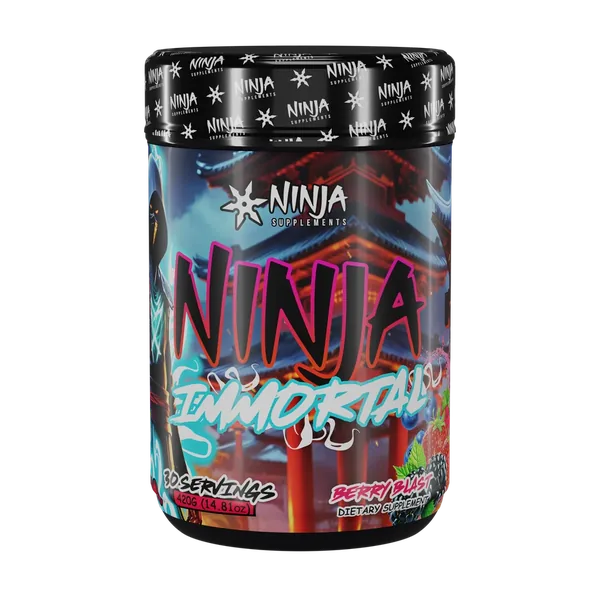
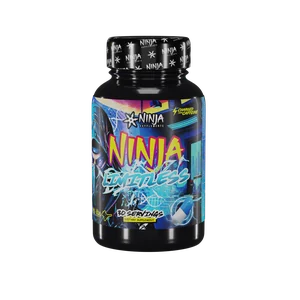
- Ninja Immortal holds 126 mg of magnesium a scoop as magnesium bisglycinate chelate, the form the 2025 trial used, at about half that trial’s daily dose.
Does Magnesium Actually Help You Sleep?
Modestly at best, and not for everyone. A 2026 systematic review pulled together 12 randomised trials of magnesium on its own for sleep in adults and found the results inconsistent across questionnaires, sleep EEG and wearables, with low to very low certainty. Its verdict: magnesium may give modest benefits on some measures in some adults, and better trials are needed.
The pattern behind the hype comes from observational data. A 2023 systematic review of 9 studies and 7,582 people found that magnesium status tracked with sleep quality in observational studies, while the randomised trials disagreed with each other. Linked is not the same as fixed by a pill.
Think of magnesium like the AC in a Miami condo in August. Nobody sleeps well when it is broken, but turning a working unit down another five degrees does not buy you extra sleep. If your intake is short, topping it up makes sense. If it is not, the trials give you little reason to expect more.
Magnesium Glycinate vs Citrate: Which Is Better for Sleep?
For sleep, glycinate has the better trial; we found no trial that compared the two head to head. Here is how the common forms line up on the evidence we read.
| Form | Absorption | Sleep trial | The catch |
|---|---|---|---|
| Glycinate (bisglycinate) | Not rated in the NIH fact sheet | 250 mg a day for 4 weeks: modestly better sleep scores than placebo, 155 adults (2025) | The capsules also delivered about 1.5 g of glycine a day, so the trial cannot split the magnesium from the glycine |
| Citrate | Among the better-absorbed forms, per NIH | 320 mg a day for 7 weeks: no better than placebo on sleep scores, 100 adults over 51 (2010) | It did raise blood magnesium in the people who started low |
| L-threonate | Chosen by its researchers for brain uptake | 1 g a day of the compound for 21 days: better sleep quality on questionnaires and a wearable ring, 80 adults aged 35 to 55 (2024) | One trial, with industry co-authors (AIDP, Inc.) |
| Oxide | Lower than citrate, per NIH | None we would hang a recommendation on | NIH lists it below citrate, aspartate, lactate and chloride for bioavailability |
So if you are buying magnesium for the night, glycinate is the form with the cleanest recent sleep result, and citrate is a well-absorbed way to cover a shortfall.

How Much Magnesium Should You Take for Sleep?
The sleep trials used 250 to 320 mg of magnesium a day, and NIH’s upper limit for supplements is 350 mg a day for adults. Those numbers are the magnesium itself, which is what a Supplement Facts panel lists, not the weight of the whole compound: in the glycinate trial, each 893 mg capsule of magnesium bisglycinate carried 125 mg of magnesium.
| Number | Amount | Source |
|---|---|---|
| Recommended daily intake, adults (food and supplements) | 310 to 420 mg, by age and sex | NIH Office of Dietary Supplements |
| Upper limit from supplements, adults | 350 mg a day | NIH Office of Dietary Supplements |
| Glycinate sleep trial | 250 mg a day | Nature and Science of Sleep, 2025 |
| Citrate sleep trial | 320 mg a day | Magnesium Research, 2010 |
| Extra need from hard training | About 10 to 20% more | Magnesium Research, 2006 |
Most of that should come from food. NIH says many people in the United States eat less magnesium than recommended, and in the citrate trial 58% of the volunteers were under the average requirement by their food diaries. Push supplement doses too high and the usual result is a stomach complaint: NIH lists diarrhea, nausea and abdominal cramping from high doses.
When Should You Take Magnesium for Sleep?
In the evening, 30 to 60 minutes before bed, which is how the 2025 glycinate trial gave it, every night for 4 weeks. One night tells you nothing; the trial measured the change over a month.
Two practical notes. Magnesium can interact with some medicines, including certain antibiotics and bone-density drugs, so ask your pharmacist about spacing if you take any. And if your multivitamin or recovery drink already carries magnesium, count it toward the day.
Can Magnesium Improve Sleep Quality for Athletes?
Only if training has left you short, as far as the research goes; we found no sleep trial of magnesium alone in athletes. What is known: strenuous exercise raises urinary and sweat losses that may lift magnesium needs by 10 to 20%, and a 2006 review found that supplementing active people who already had enough had not been shown to improve performance.
On recovery, a 2024 systematic review found only 4 studies that tested magnesium alone on muscle soreness in active people; they reported less soreness and better recovery. Four studies is a lead, not a law. For the rest of the sleep stack, see Which Sleep Supplements Help Muscle Recovery?, and for the zinc, magnesium and B6 combo, Does ZMA Work for Sleep and Recovery?
Coach’s Corner: The Evening Session Downshift
- Easy bike or walk: 1 x 5 minutes at a pace you could chat at, then straight into the stretches. Let your heart rate come down before your head hits the pillow.
- Kneeling hip flexor stretch: 2 x 30 seconds a side, 10 seconds rest. Squeeze the glute of the back leg and keep your ribs down.
- Doorway chest stretch: 2 x 30 seconds, 10 seconds rest. Forearms on the frame at shoulder height; lean until you feel it, not until it hurts.
- Cat-cow on hands and knees: 1 x 10 slow reps. Move one segment of the spine at a time.
- Slow breathing lying down: 10 breaths, in for 4 counts, out for 6. Lights low, phone in another room.
Healthy adults: if you have an injury, pain, a heart condition, or you are new to training, check with your doctor before you start. Stop if it hurts.

The Fuel Plan
| 80 kg lifter | 100 kg lifter | |
|---|---|---|
| Daily protein (1.4 to 2.0 g per kg, ISSN) | 112 to 160 g | 140 to 200 g |
| Daily magnesium, food and supplements (NIH) | 310 to 420 mg, by age and sex | |
| Food first (NIH) | Green leafy vegetables, legumes, nuts, seeds and whole grains; your body absorbs about 30 to 40% of the magnesium in food | |
| Supplement ceiling (NIH) | 350 mg a day from all supplements combined | |
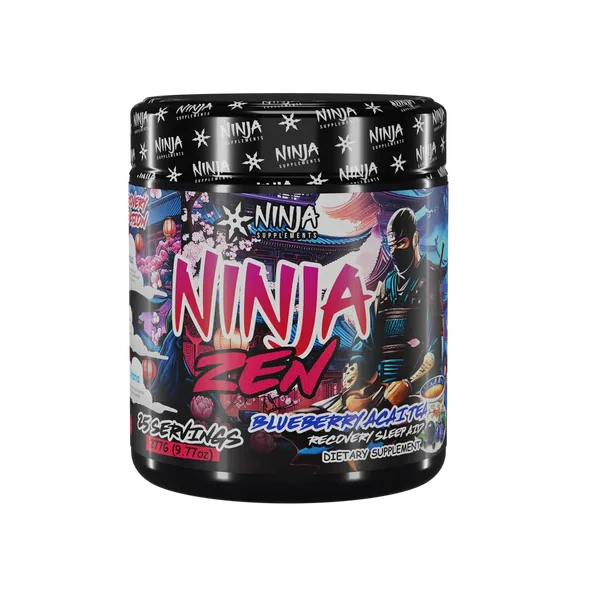
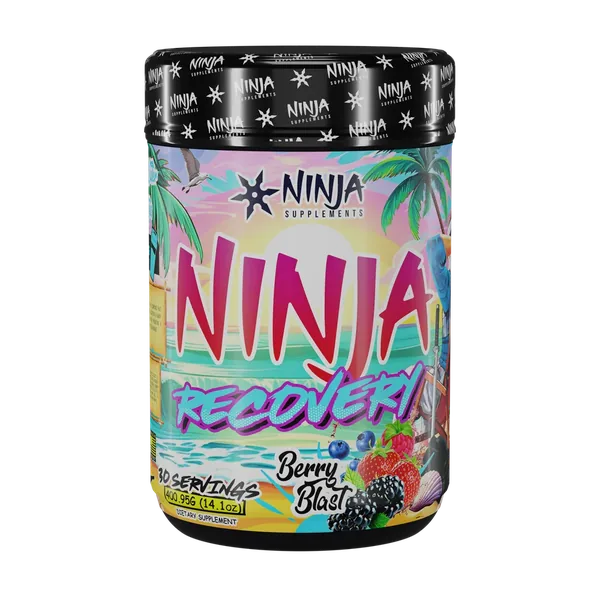
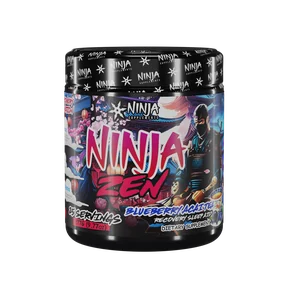
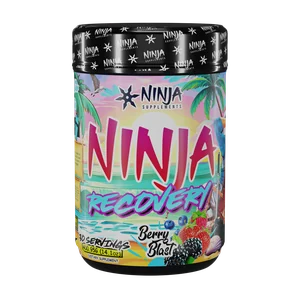
| Ninja magnesium, per scoop (labels) | Ninja Immortal 126 mg (bisglycinate); Ninja Zen 29 mg (citrate); Ninja Recovery 29 mg (citrate) | |
| All three in one day | 184 mg from supplements, under the 350 mg ceiling | |
These are general numbers for healthy adults. With kidney disease, diabetes or any medical diet, ask your doctor or a registered dietitian.
Where Ninja Immortal Fits
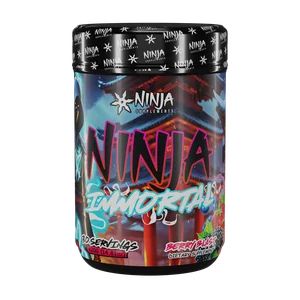
If you want your magnesium as glycinate without adding another bottle, Ninja Immortal carries 126 mg of it a scoop as magnesium bisglycinate chelate, the form the 2025 sleep trial used, inside our daily multivitamin and collagen drink, which also carries 5000 mg of bovine collagen peptides a scoop. The magnesium is about half the trial’s 250 mg, which leaves room for the magnesium in your dinner, and 31% of the Daily Value on the label. Straight talk: Immortal is a daily foundation, not a sleep aid. The nighttime formula is Ninja Zen. But if your goal is closing the magnesium gap NIH says many Americans have, in the form with the best recent sleep trial, one scoop puts 126 mg of it in your day before you have found your keys.
Who it’s for: lifters who want a daily foundation in one scoop: a multivitamin, collagen and magnesium as glycinate. Who it’s not for: anyone looking for a sleep aid (that is Ninja Zen), and anyone expecting a quick fix for sore joints, because the joint research is mixed.
Ninja Immortal: The Doses This Article Is About
Per serving, straight from the label. The full label is on the product page.
| Magnesium (as Magnesium Bisglycinate Chelate) | 126mg |
The numbers: $49.99 for 30 scoops is $1.67 a day, or $1.42 with Subscribe and Save (15% off). All three flavours are in stock: Berry Blast, Citrus Splash and Mango Crush.
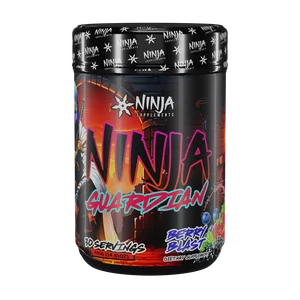
The product people most often buy with Ninja Immortal is Ninja Guardian, our daily greens and reds.
Great product- tastes good and a great source of vitamins
Instead of taking ur vitamins and pills form, this ninja immortal is the way to go! Properly dosed 👌with an amazing taste. 10/10!!!!
This tastes amazing. Best way to take your vitamins.
If you take prescription medication, check with your doctor first. Count every supplement that contains magnesium against the 350 mg a day ceiling.
Frequently Asked Questions
What is the best magnesium for sleep?
Magnesium glycinate has the clearest recent sleep result: 250 mg a day as bisglycinate modestly improved sleep scores in 155 adults over 4 weeks (2025). Citrate absorbs well, but in a 7-week trial its sleep benefit was no bigger than placebo’s. Oxide absorbs less well than citrate, according to NIH.
How much magnesium should I take for sleep?
The sleep trials used 250 to 320 mg of elemental magnesium a day. NIH sets the upper limit for magnesium from supplements at 350 mg a day for adults, and the total recommended intake from food and supplements at 310 to 420 mg. Count every supplement you take against that 350 mg.
What is the best time to take magnesium for sleep?
In the evening. The 2025 glycinate trial had people take it 30 to 60 minutes before bed, every night for 4 weeks. Judge it over weeks, not one night.
Can you take magnesium every night?
Yes, within the 350 mg a day upper limit for supplements set by NIH. Higher supplement doses can cause diarrhea, nausea and abdominal cramping. If you take prescription medication, especially antibiotics or bone-density drugs, ask your doctor or pharmacist first.
What is magnesium?
Magnesium is an essential mineral that works as a helper in more than 300 enzyme systems, including protein synthesis, muscle and nerve function, and blood pressure regulation. An adult body holds about 25 grams of it, 50 to 60% in the bones. Green leafy vegetables, legumes, nuts, seeds and whole grains are good food sources.
Next read: Does Sleep Affect Muscle Growth? And for your daily magnesium as glycinate, Ninja Immortal has it in one scoop.
Sources
- Lopresti AL, et al. Magnesium Supplementation for Sleep in Adults: A Systematic Review of Randomized Controlled Trials. Journal of Dietary Supplements, 2026.
- Schuster J, et al. Magnesium Bisglycinate Supplementation in Healthy Adults Reporting Poor Sleep: A Randomized, Placebo-Controlled Trial. Nature and Science of Sleep, 2025 (university funded).
- Nielsen FH, et al. Magnesium supplementation improves indicators of low magnesium status and inflammatory stress in adults older than 51 years with poor quality sleep. Magnesium Research, 2010.
- Hausenblas HA, et al. Magnesium-L-threonate improves sleep quality and daytime functioning in adults with self-reported sleep problems: A randomized controlled trial. Sleep Medicine: X, 2024 (co-authors from the ingredient’s supplier).
- Arab A, et al. The Role of Magnesium in Sleep Health: a Systematic Review of Available Literature. Biological Trace Element Research, 2023.
- Nielsen FH, Lukaski HC. Update on the relationship between magnesium and exercise. Magnesium Research, 2006.
- Tarsitano MG, et al. Effects of magnesium supplementation on muscle soreness in different type of physical activities: a systematic review. Journal of Translational Medicine, 2024.
- Jäger R, et al. International Society of Sports Nutrition Position Stand: protein and exercise. Journal of the International Society of Sports Nutrition, 2017.
- NIH Office of Dietary Supplements. Magnesium: Fact Sheet for Health Professionals. ods.od.nih.gov, read 25 October 2026.
How we wrote this: we rewrote this page because “magnesium for sleep” and “magnesium glycinate for sleep” are among the biggest sleep searches in the US (Google Ads Keyword Planner, September 2026), and Google shows this page for “can magnesium improve sleep quality for athletes”. We read the reviews and trials above and the NIH fact sheet, checked every magnesium amount against the Ninja Immortal, Ninja Zen and Ninja Recovery labels, and took every price from the store on 25 October 2026. These statements have not been evaluated by the Food and Drug Administration. This product is not intended to diagnose, treat, cure, or prevent any disease.