
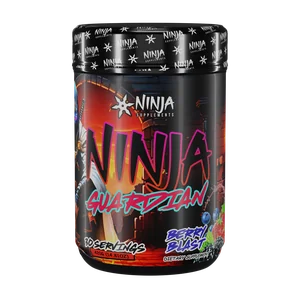
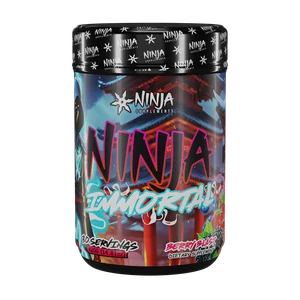
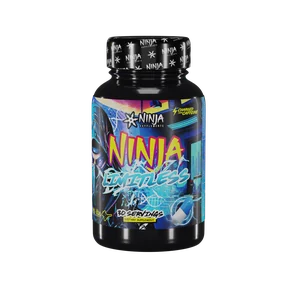
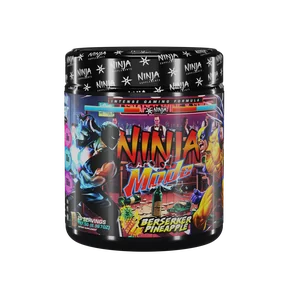
You’re hitting the gym five days a week. Your protein intake is dialed in. Your pre-workout is on point. But somehow, the gains have stalled. You’re grinding harder than ever, yet your body isn’t responding the way it should. Before you second-guess your training split or tweak your macros, have you taken a hard look at your sleep?
Here’s the brutal truth: sleep is the most underrated performance variable in fitness. You can optimize everything else, but if you’re consistently shortchanging your recovery sleep, you’re essentially leaving your hard-earned gains on the table every single night. Let’s break down exactly what’s happening inside your body when you skip quality sleep, and how sleep optimization supplements can help you take that back.
The Science of Sleep and Muscle Building

Muscle isn’t built in the gym. It’s built while you sleep. Every rep you push, every set you grind through, creates microscopic tears in your muscle fibers. The growth (the actual hypertrophy) happens during deep sleep stages when your body releases the majority of its daily human growth hormone (HGH).
According to research published through the National Institutes of Health, approximately 70% of daily growth hormone secretion occurs during slow-wave sleep. That’s stage 3 NREM sleep, the deepest, most restorative phase. When you cut your sleep short or destroy your sleep quality, you’re directly suppressing HGH release. No growth hormone spike means significantly blunted muscle protein synthesis. Period.
Sleep and muscle building aren’t loosely connected. They are fundamentally inseparable. When you train hard and sleep well, you recover and grow. When you train hard and sleep poorly, you break down and plateau.
What Sleep Deprivation Actually Does to Your Body
One bad night isn’t going to kill your progress. But chronic sleep deprivation (even just cutting 60-90 minutes per night across several weeks) creates a physiological environment that is actively hostile to muscle recovery sleep and performance gains.
Testosterone Tanks
A landmark study from the Journal of the American Medical Association found that men who slept just 5 hours per night for one week experienced testosterone levels drop by 10-15%, comparable to aging 10-15 years overnight. Testosterone is your primary anabolic hormone. Without it, building and preserving muscle becomes exponentially harder, no matter how perfectly dialed in your training is.
Cortisol Spikes
Poor sleep drives up cortisol, your body’s primary stress hormone. Elevated cortisol is catabolic, meaning it actively breaks down muscle tissue for energy. If you’re chronically sleep-deprived, you’re swimming in cortisol throughout the day, fighting your own gains at a hormonal level.
Recovery Collapses
Muscle repair, glycogen replenishment, immune function, and central nervous system recovery all happen predominantly during sleep. Skimp on sleep, and all of these processes are compromised. You’ll feel it in the gym: heavier weights feel heavier, your coordination suffers, and you’re more prone to injury because your reaction time and neuromuscular control are degraded.
Body Composition Shifts the Wrong Way
Sleep deprivation increases ghrelin (the hunger hormone) and decreases leptin (the satiety hormone). You end up hungrier, craving calorie-dense foods, and less likely to make smart nutrition choices. For anyone trying to optimize body composition, poor sleep is working directly against you 24 hours a day.
Sleep Supplements for Recovery: What Actually Works
Here’s where science-backed supplement education becomes your competitive edge. Not all sleep aids are created equal, and the difference between a knock-out-but-groggy experience versus genuine restorative sleep is everything when gains are the goal.
The best sleep aids for athletes don’t just knock you unconscious. They enhance sleep quality, extend time in deep sleep stages, and support the hormonal environment that makes muscle recovery sleep actually work.
Melatonin for Muscle Growth
Melatonin is your body’s natural sleep-onset hormone, produced by the pineal gland in response to darkness. At clinically relevant doses (typically 0.5mg–3mg), melatonin helps regulate your circadian rhythm, making it easier to fall asleep and stay asleep. But here’s what most people don’t know: melatonin also functions as a potent antioxidant that may help reduce exercise-induced oxidative stress during recovery.
Melatonin for muscle growth isn’t just about getting to sleep faster. It’s about getting into those deep sleep stages where HGH does its work. More time in slow-wave sleep means more anabolic activity, period.
Key point on dosing: Bigger isn’t always better with melatonin. Many over-the-counter products dose at 5-10mg, which can actually dysregulate your natural production over time. Clinically dosed ingredient transparency matters here: look for formulas that hit the effective range without going overboard.
Magnesium Glycinate
Magnesium deficiency is incredibly common among athletes, partly because intense training depletes it rapidly through sweat. Magnesium plays a critical role in regulating the nervous system, reducing muscle cramps, and promoting GABA activity (your brain’s primary inhibitory neurotransmitter). Low GABA activity equals a brain that can’t shut off. Magnesium glycinate (the glycinate form specifically) offers superior absorption and is gentler on the digestive system than other forms.
L-Theanine
Found naturally in green tea, L-theanine promotes relaxation without sedation by increasing alpha brain wave activity. Paired with melatonin, it creates a calm, winding-down mental state that supports faster sleep onset and improved sleep architecture. For athletes with high-stress lifestyles, which describes most serious gym-goers, this is a game-changer in natural sleep supplements.
Ashwagandha (KSM-66)
Ashwagandha is an adaptogenic herb with strong evidence behind its ability to reduce cortisol levels and improve stress resilience. For athletes dealing with elevated training stress and life stress simultaneously, bringing cortisol down before bed creates a more favorable hormonal environment for overnight muscle recovery. KSM-66 is the gold-standard extract form, with the most clinical research backing its efficacy.
GABA
Supplemental GABA may help promote relaxation and reduce the time it takes to fall asleep. When combined with the ingredients above, it reinforces the inhibitory signals your nervous system needs to downshift from a high-stimulus training day into genuine recovery mode.
Practical Sleep Optimization Strategies for Athletes
Recovery sleep supplements work best as part of a broader sleep hygiene protocol. Here’s how to maximize performance on the recovery side:
- Lock in a consistent sleep schedule. Your circadian rhythm thrives on consistency. Going to bed and waking at the same time, even on weekends, dramatically improves sleep quality over time.
- Cut the screens 60 minutes before bed. Blue light from phones and tablets suppresses melatonin production by up to 50%. Use that time to stretch, read, or decompress.
- Keep your room cold and dark. Core body temperature needs to drop to initiate sleep. 65-68°F is the performance sweet spot for most people.
- Time your pre-workout strategically. High-stim pre-workouts taken too late in the day will wreck your sleep onset. Our pre-workout supplements guide covers how to time your stimulant intake for performance without wrecking recovery.
- Take your sleep stack 30-45 minutes before bed. Give your natural sleep supplements time to work before you hit the pillow.
- Limit alcohol. Alcohol may help you fall asleep, but it absolutely destroys REM and deep sleep stages, the exact stages you need most for muscle recovery.
Sleep, Nootropics, and the Full Recovery Picture
It’s worth noting that sleep and cognitive performance are deeply linked. If you’re running on poor sleep, your focus, motivation, and mind-muscle connection in the gym all suffer too. If you’re interested in how nootropic compounds support mental performance alongside physical recovery, our guide on nootropics for focus and energy breaks down exactly how these ingredients work synergistically with a solid recovery foundation.
For a deeper dive into everything that goes into building the ultimate recovery stack (including sleep optimization supplements alongside other recovery-focused ingredients), check out our comprehensive sleep supplements for recovery pillar.
Frequently Asked Questions
How much sleep do athletes actually need for optimal muscle recovery?
Most research points to 7-9 hours as the optimal range for athletic populations. Serious strength and endurance athletes may benefit from even more: some elite programs target 9-10 hours including naps. The key metric isn’t just total time, but quality time spent in deep sleep stages where recovery actually happens.
Can sleep supplements replace poor sleep habits?
No supplement can fully compensate for chronically poor sleep hygiene. Natural sleep supplements and recovery sleep supplements are most effective when used to enhance an already reasonable sleep routine, not as a band-aid over a 5-hour chaotic schedule. Use them as a tool, not a replacement for the fundamentals.
Is melatonin safe to use every night for muscle growth support?
At clinically appropriate doses (0.5mg–3mg), melatonin is considered safe for regular use by most healthy adults. That said, it’s worth cycling off periodically to avoid dependence on supplemental melatonin for sleep onset. Always choose products with transparent, clinically dosed ingredient labeling so you know exactly what you’re taking.
When should I take sleep optimization supplements?
Most sleep aids for athletes are best taken 30-45 minutes before your intended sleep time. This gives ingredients like melatonin and L-theanine time to reach effective levels in your system and allows the relaxation response to build naturally before you lie down.
Can poor sleep cause muscle loss even if I’m training consistently?
Yes. Elevated cortisol from chronic sleep deprivation creates a catabolic environment that can actively break down muscle tissue. Combined with suppressed testosterone and reduced HGH output, consistent poor sleep can absolutely result in net muscle loss or stalled progress even with regular training and adequate protein intake.
Stop Leaving Gains on the Table
You’re working too hard in the gym to let sleep wreck your results. Every training session you put in is an investment, and quality sleep is how you collect the return. Crush your workout, then protect your recovery with the same intensity you bring to every set.
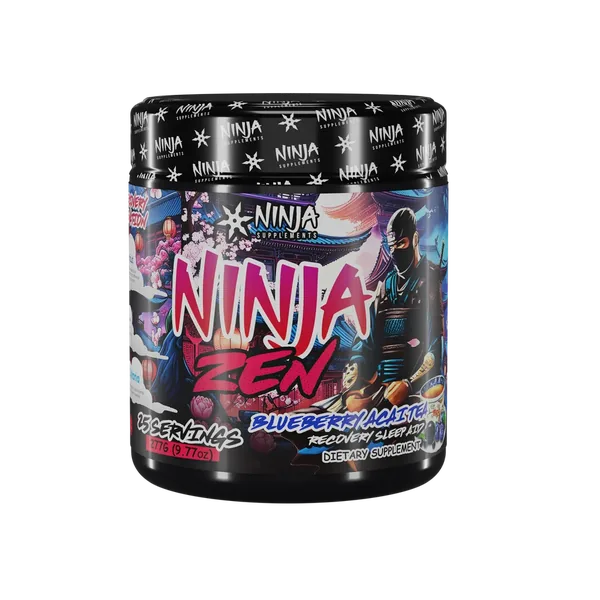
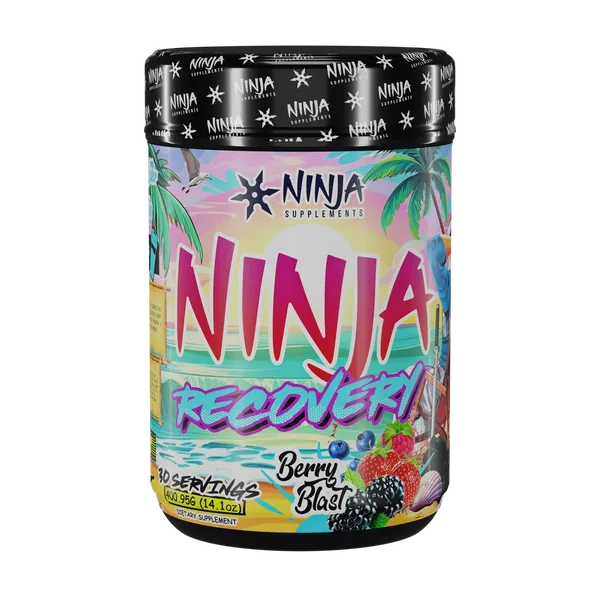
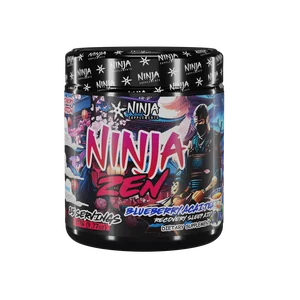
If you’re ready to level up your recovery game with science-backed sleep supplements built for athletes who demand transparency, explore Ninja Supplements’ full breakdown of sleep supplements for recovery and find the stack that fits your training goals.
Sleep is not optional. It’s the missing variable that unlocks everything else.