
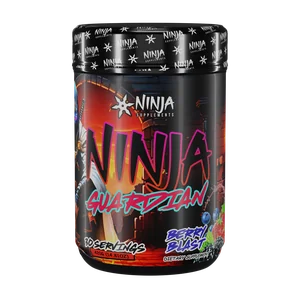
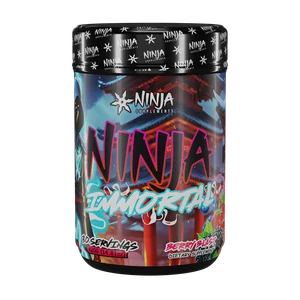
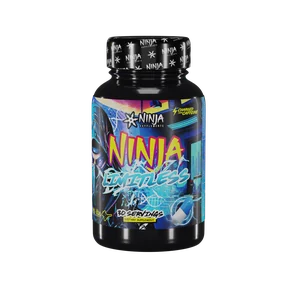

If you’re training hard and eating enough protein, BCAAs alone may not be giving you the full benefit you expect. EAAs, which include all nine essential amino acids your body can’t produce, offer a more complete muscle-building signal. Serious athletes who train fasted or have inconsistent protein intake benefit most from EAA supplements, while BCAAs still hold value in specific scenarios.
- BCAAs (leucine, isoleucine, valine) are a subset of EAAs; EAA supplements contain all nine essential amino acids.
- EAAs trigger a more complete muscle protein synthesis response than BCAAs alone.
- BCAAs still support endurance, reduce perceived fatigue, and protect muscle during fasted training.
- If your diet is high in quality protein, either option is useful, but EAAs offer broader coverage.
- Timing, training goals, and diet context determine which supplement is right for you.
Understanding the Amino Acid Hierarchy

Your muscles are made of protein. Protein is made of amino acids. Not all amino acids are created equal, and that’s where the BCAA vs EAA debate gets interesting.
Of the 20 amino acids the human body uses, nine are classified as essential amino acids (EAAs) because your body cannot synthesize them on its own. You have to get them from food or supplementation. The nine EAAs are: histidine, isoleucine, leucine, lysine, methionine, phenylalanine, threonine, tryptophan, and valine.
Branched-chain amino acids (BCAAs) are three of those nine essential amino acids: leucine, isoleucine, and valine. They’re named for their branched molecular structure, and they’ve dominated the supplement industry for decades for good reason. But understanding what BCAAs can and can’t do on their own is critical for making the right choice.
Leucine is the primary trigger for muscle protein synthesis (MPS): it acts as a molecular “on switch” through the mTOR signaling pathway. However, research published in the Journal of the International Society of Sports Nutrition confirms that all essential amino acids are required to sustain and complete MPS, not just leucine alone.
What BCAA Supplements Actually Do
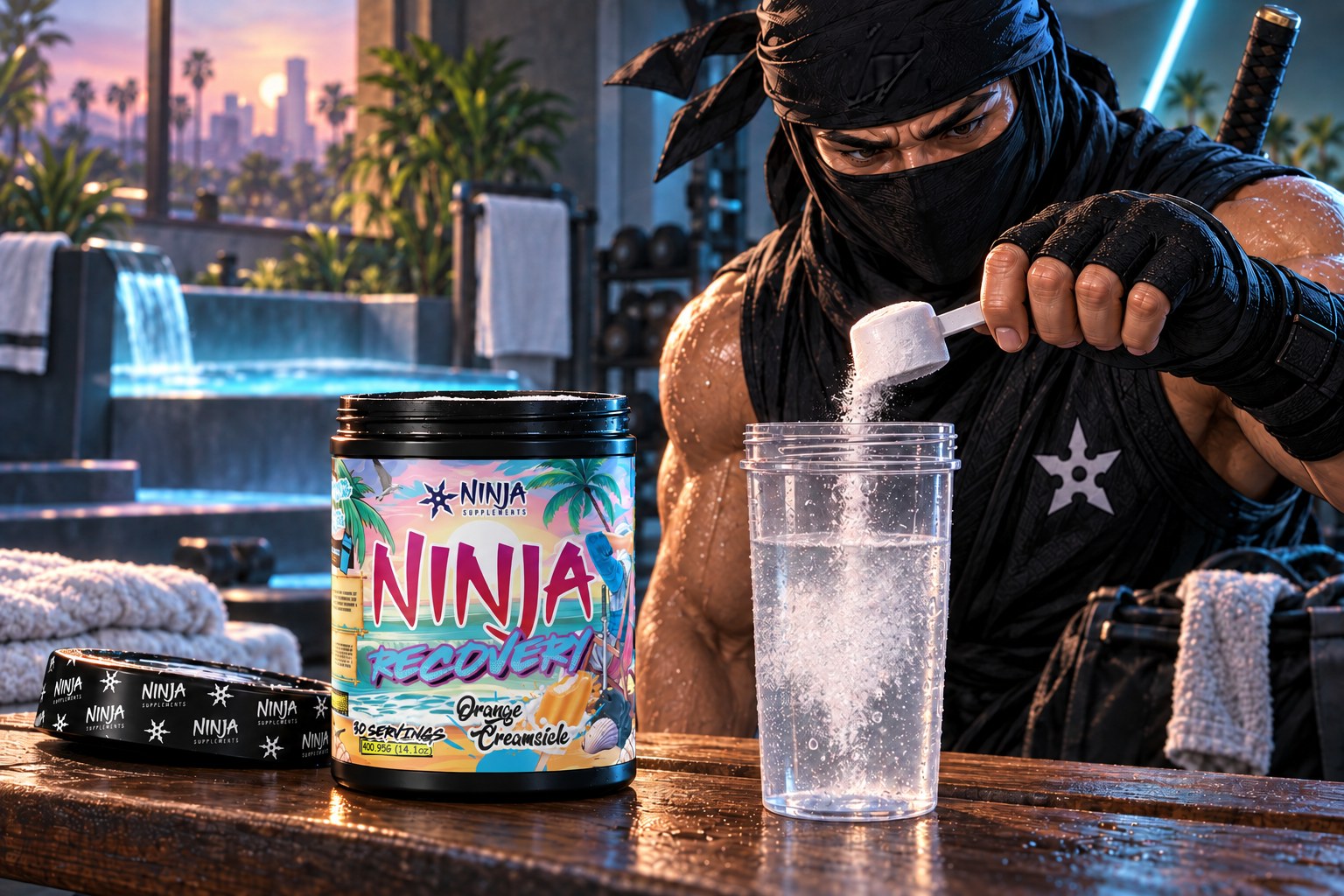
BCAAs have earned their place in gym bags worldwide, and for legitimate reasons. Their benefits are well-documented and specific enough that dismissing them entirely would be a mistake.
The Real BCAA Benefits
- Reduce muscle soreness (DOMS): Multiple studies show BCAAs reduce delayed onset muscle soreness after intense resistance training.
- Decrease perceived fatigue: Valine competes with tryptophan at the blood-brain barrier, reducing serotonin production during exercise, which delays mental fatigue.
- Anti-catabolic during fasted training: BCAAs suppress muscle protein breakdown when training in a fasted state or during caloric restriction.
- Support endurance performance: During prolonged sessions, BCAAs become a secondary fuel source when glycogen is depleted.
The key limitation? BCAAs stimulate muscle protein synthesis but cannot complete it. Think of it like starting a construction project: leucine fires the signal, but without the remaining six essential amino acids, the build stalls. For athletes with high protein diets, this gap may be partially bridged by existing amino acid pools. For everyone else, it’s a real constraint.
What EAA Supplements Bring to the Table

EAA supplements are the evolution of the amino acid category: broader, more complete, and better aligned with how muscle protein synthesis actually works at a biochemical level.
By delivering all nine essential amino acids in one formula, EAAs provide everything your muscles need to complete the protein synthesis process from start to finish. This makes them particularly valuable during training windows when whole food protein isn’t practical, during fasted sessions, or in caloric deficit phases where dietary protein may be compromised.
Who Gets the Most from EAAs
- Athletes training in a fasted state (early morning lifters, intermittent fasting protocols)
- Those in a caloric deficit prioritizing muscle retention
- Hard-gainers who struggle to hit daily protein targets through food alone
- Endurance athletes needing sustained amino acid availability across long sessions
EAAs don’t just start the muscle-building signal. They give your body everything it needs to see it through.
According to research reviewed by the National Institutes of Health, adequate intake of all essential amino acids is fundamental to maintaining nitrogen balance and supporting anabolic processes, particularly in physically active populations with elevated requirements.
BCAA vs EAA: Head-to-Head Breakdown
| Factor | BCAA Supplements | EAA Supplements |
|---|---|---|
| Amino acids included | 3 (leucine, isoleucine, valine) | All 9 essential amino acids |
| MPS stimulation | Initiates the signal | Initiates and sustains |
| Best for fasted training | Good | Excellent |
| Anti-catabolic effect | Strong | Strong |
| Fatigue reduction | Yes (valine pathway) | Yes (broader coverage) |
| Complete muscle support | Partial | Full |
| Ideal user | High protein diet, short sessions | Fasted training, caloric deficit |
When to Take BCAAs vs EAAs
Timing matters as much as product selection. Here’s how to implement this practically, right now:
Assess Your Protein Intake First
If you’re consistently hitting 0.7–1g of protein per pound of bodyweight daily from quality whole food sources, BCAAs intra-workout can complement your stack effectively. EAAs are still the stronger choice, but your protein pool supports MPS completion.
Train Fasted? Use EAAs Pre-Workout
When training without a pre-session meal, take EAAs 15–30 minutes before your session. This gives your muscles the full amino acid spectrum without spiking insulin or compromising the fasted state significantly.
Intra-Workout for Long Sessions
For sessions exceeding 60–75 minutes, sipping EAAs or BCAAs throughout keeps amino acid availability high and combats exercise-induced muscle protein breakdown. EAAs win here for more demanding training volumes.
Cutting Phases: EAAs Are Your Best Friend
During caloric restriction, maintaining muscle is everything. EAAs provide a low-calorie, high-utility tool for muscle preservation when total food intake is reduced. Use them between meals or around training.
Stack your EAAs or BCAAs alongside a solid pre-workout to maximize both energy output and amino acid availability during training. Check out our full breakdown of pre-workout supplements to understand how these categories complement each other for peak performance.
How This Fits Into Your Full Supplement Stack
BCAAs and EAAs don’t exist in isolation. They’re part of a broader performance nutrition strategy. If you’re serious about optimizing your results, understanding how amino acid supplementation connects to the rest of your stack is key.
Our deep-dive into BCAA and EAA supplements covers the full spectrum of options, ingredient ratios, and what clinically dosed amino acid formulas actually look like on a label. Transparency in dosing is non-negotiable: proprietary blends that hide amino acid quantities are a red flag for informed athletes.
For those focused on body composition alongside performance, understanding how amino acids interact with your fat-burning strategy is equally important. Our resource on fat burner supplements explores how to maintain muscle during a cut, and amino acid supplementation is central to that equation. Research from Harvard T.H. Chan School of Public Health reinforces that protein quality and amino acid completeness directly impact body composition outcomes.
Frequently Asked Questions
Can I take BCAAs and EAAs together?
Yes, but it’s generally unnecessary. EAA supplements already contain BCAAs within their full amino acid profile. Taking both simultaneously adds cost without proportional benefit. If your EAA formula includes strong leucine dosing, you have your BCAA base covered.
Are EAAs better than BCAAs for muscle building?
For muscle protein synthesis specifically, EAAs are more complete because they supply all the amino acids required to fully sustain the MPS process, not just initiate it. BCAAs are effective for reducing catabolism and fatigue, but EAAs provide a broader muscle-building foundation.
When is the best time to take EAA supplements?
The most effective windows are pre-workout (especially fasted training), intra-workout during long sessions, or between meals when protein intake may be low. EAAs are rapidly absorbed, making them ideal around training when amino acid availability matters most.
Do BCAAs or EAAs break a fast?
Both contain calories and amino acids that trigger minor metabolic responses, so technically they interrupt a pure fast. However, for training performance and muscle preservation purposes, taking EAAs before fasted training is a widely accepted and effective strategy: the muscle retention benefit outweighs the minimal fast disruption.
How do I know if my amino acid supplement is clinically dosed?
A clinically dosed EAA or BCAA supplement will clearly list each amino acid individually with its exact milligram quantity, with no proprietary blends that obscure amounts. Look for leucine in the 2–3g+ range and a total EAA dose of 6–10g per serving as a general benchmark for meaningful efficacy.