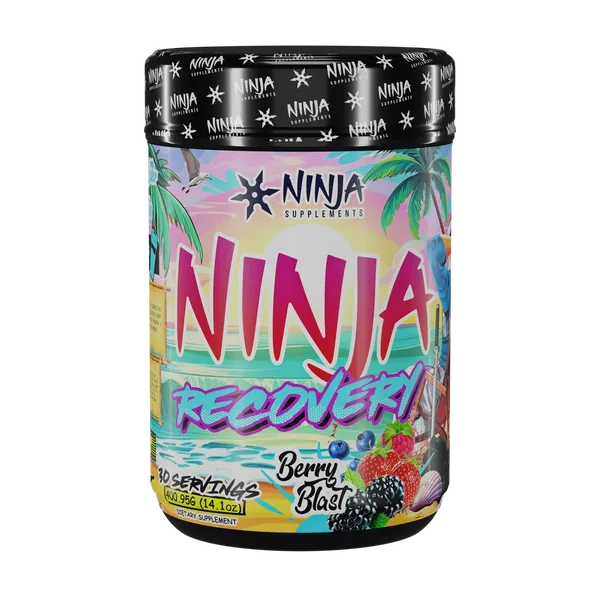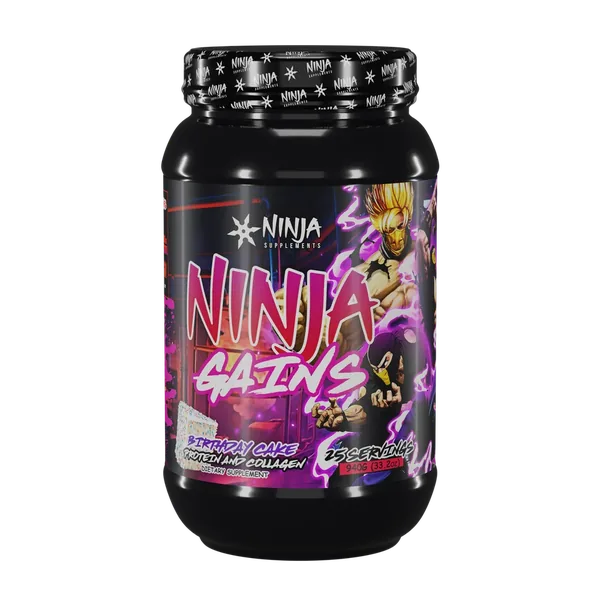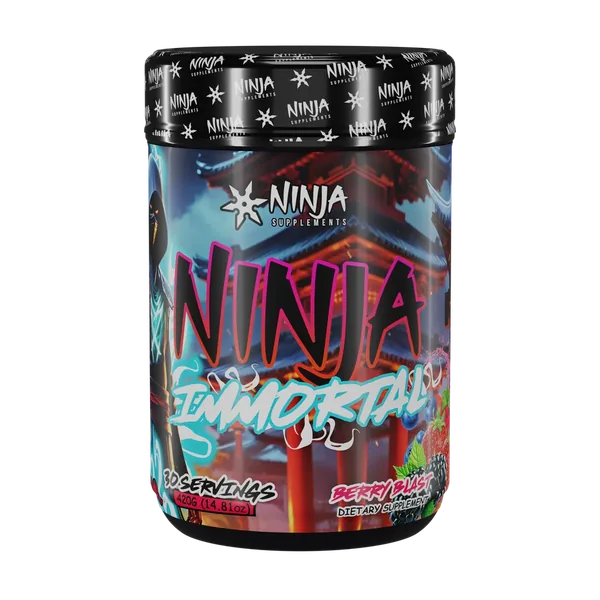

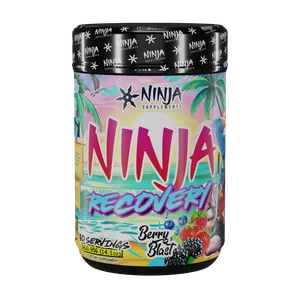
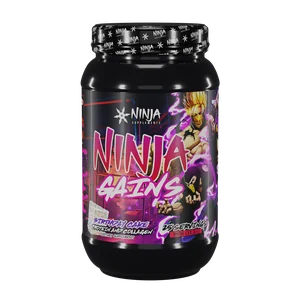
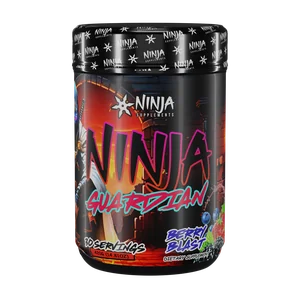
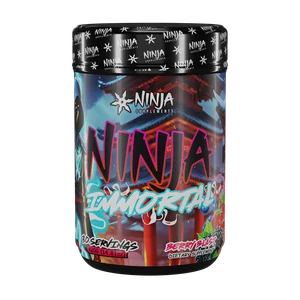
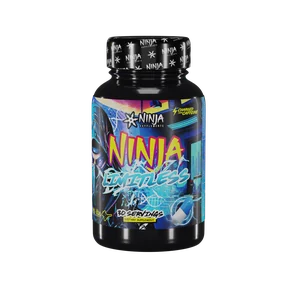

EAA supplements deliver the most performance benefit when taken around your training window, specifically 30 minutes before, during, or immediately after your workout. For fasted training or extended sessions over 60 minutes, timing becomes especially critical. Casual gym-goers can be more flexible, but serious athletes chasing muscle building and recovery will see the biggest returns by being strategic with their amino acid timing.
- EAAs outperform BCAAs because they supply all 9 essential amino acids your body can’t produce on its own.
- The peri-workout window (before, during, after training) is the highest-leverage timing for muscle protein synthesis.
- Fasted training makes EAA timing non-negotiable: skipping it accelerates muscle breakdown.
- EAAs can also support recovery on rest days, though timing flexibility is much greater.
- Clinical doses and ingredient transparency matter far more than minor timing tweaks.
Why Essential Amino Acids Are the Real Muscle Building Foundation

Here’s a stat worth knowing: your body requires 20 amino acids to function, but it can only synthesize 11 of them on its own. The remaining 9 (the essential amino acids) must come entirely from your diet or supplementation. That dependency is exactly why EAA supplements have become a staple for serious gym-goers who refuse to leave gains on the table.
BCAAs (leucine, isoleucine, valine) get a ton of attention, and for good reason: leucine is a direct trigger for muscle protein synthesis. But here’s the catch: your muscles need the complete picture to actually build new tissue. Supplementing with only BCAAs is like trying to build a house with just bricks and no mortar, wiring, or foundation. EAAs give your muscles the full toolkit.
Research published in the Journal of the International Society of Sports Nutrition confirms that complete essential amino acid supplementation produces a superior anabolic response compared to partial amino acid profiles, particularly when consumed around resistance training sessions. That’s science-backed supplement education at its core.
The Timing Windows That Actually Move the Needle

Timing your amino acid supplements isn’t about following rigid rules. It’s about understanding what your body is doing metabolically at each phase of training and feeding that process intelligently. Let’s break down the three windows that matter most.
Pre-Workout: Prime the Pump Before You Train
Taking EAAs 20-30 minutes before your session sets the stage for an anabolic environment before the first rep is ever pulled. Your circulating amino acid levels rise during the warm-up phase, which means your muscles have immediate access to building blocks when you hit peak training intensity.
This is especially important if you’re training first thing in the morning in a fasted state. After 7-8 hours without food, your body is in a catabolic lean: muscle protein breakdown rates are elevated as your system looks for energy. Getting EAAs in before a fasted session is one of the most high-impact timing calls you can make.
If you’re doing fasted cardio or fasted lifting without any amino acid support, you’re fighting your own biology. Elevated cortisol during early morning training accelerates muscle protein breakdown. EAAs pre-workout give your body an alternative fuel source and a direct signal to shift toward muscle preservation and synthesis.
Intra-Workout: Fuel the Fire Mid-Session
For training sessions lasting longer than 60 minutes, sipping EAAs during your workout is a legitimate performance strategy. As glycogen stores begin to deplete past that hour mark, your body increasingly turns to amino acids for energy through gluconeogenesis, a fancy term for converting non-carbohydrate sources (including muscle protein) into glucose.
Having a steady supply of free-form EAAs circulating during extended training keeps muscle breakdown in check and helps maintain strength output in those critical later sets. Athletes doing heavy volume days, long conditioning blocks, or two-a-day sessions will feel this advantage clearly.
Post-Workout: The Recovery Window Is Real
The post-workout window has been debated extensively in sports nutrition circles, but the consensus remains: getting quality amino acids in within 45-60 minutes of training completion meaningfully accelerates muscle protein synthesis and recovery. Your muscle cells are hyperresponsive to nutrients during this period: insulin sensitivity is elevated, and your muscles are essentially wide open for uptake.
Pair your EAAs with a fast-digesting carbohydrate source post-workout to amplify insulin response and drive nutrients into the muscle more effectively. This is basic sports nutrition that still holds up under scrutiny from the National Strength and Conditioning Association’s research reviews.
The window isn’t about being perfect. It’s about being consistent with the habits that compound over months and years.
EAAs vs. BCAAs: A Practical Comparison

If you’ve been using BCAAs and wondering whether it’s time to upgrade your amino acid strategy, here’s the honest breakdown. Both have legitimate uses, but they’re not interchangeable for every goal.
| Factor | BCAAs | EAAs |
|---|---|---|
| Amino acids included | 3 (leucine, isoleucine, valine) | All 9 essential amino acids |
| Muscle protein synthesis trigger | Partial (leucine-driven) | Complete anabolic signal |
| Best for fasted training | Moderate support | Superior support |
| Recovery optimization | Good | Excellent |
| Caloric load | Near zero | Near zero |
| Ideal use case | Budget option, short sessions | Serious performance and muscle building goals |
Timing on Rest Days: Does It Still Matter?
Short answer: yes, but with far less urgency. On rest days, your body is still actively rebuilding muscle tissue from previous sessions. Muscle protein synthesis remains elevated for 24-48 hours post-training, meaning your amino acid intake on recovery days is still contributing to your overall gains equation.
The good news is you don’t need to be precise about timing on rest days. Getting your EAAs in with a meal or shake any time during the day supports ongoing repair without any strict window pressure. Focus more on hitting your total daily protein targets and getting quality sleep, two factors that dwarf the impact of rest-day EAA timing.
On rest days, consider taking your EAAs with breakfast or your first meal to support overnight muscle repair and give your body a head start on the day’s recovery processes. It’s a simple habit that keeps your amino acid levels elevated when your muscles are doing a lot of the heavy rebuilding work.
How to Actually Build Your EAA Timing Protocol
Consistency always beats perfection. Here’s a simple framework to implement immediately:
Identify your training type
Fasted morning sessions demand pre-workout EAAs. Fed afternoon sessions allow more flexibility but still benefit from peri-workout dosing.
Set your primary window
Choose one non-negotiable timing slot, usually pre-workout or post-workout. Make that automatic before adding complexity.
Assess session length
Training over 60 minutes? Add an intra-workout serving. Under 60 minutes? Pre or post is sufficient for most people.
Prioritize clinically dosed products
Timing means nothing if you’re under-dosing. Look for products with full label transparency and clinically dosed ingredient amounts: no pixie dusting, no proprietary blends hiding what you’re actually getting.
Frequently Asked Questions
Can I take EAA supplements on an empty stomach?
Yes, and this is actually one of the best times to take them, particularly before fasted training. Free-form EAAs are rapidly absorbed without requiring food for digestion, so they get into your bloodstream quickly. Most people tolerate them well on an empty stomach, though if you experience any discomfort, a small amount of food alongside is fine.
Are EAAs the same as protein powder?
No. They work differently and serve different purposes. Protein powders (whey, casein, plant-based) contain complete protein that your body must digest and break down into amino acids before use. EAA supplements provide free-form amino acids that bypass digestion and absorb almost immediately. EAAs are faster-acting, which makes them ideal for peri-workout use where speed of delivery matters.
How do EAAs support muscle building beyond just workouts?
Essential amino acids are the direct raw material for muscle protein synthesis, the process your body uses to build and repair muscle tissue. They also support hormone signaling, immune function, and enzyme production. For anyone serious about amino acids for muscle building, consistent daily intake (not just on training days) ensures your body always has the resources it needs to adapt and grow.
Should I take EAAs if I already use a pre-workout?
Absolutely. They serve completely different functions. Your pre-workout supplement handles energy, focus, and performance activation. EAAs handle muscle preservation and the anabolic environment during training. Many athletes use both, mixing EAAs in their water to sip intra-workout while their pre-workout drives performance output. They’re complementary, not redundant.
How much EAA should I take per serving?
Research generally supports 6-10 grams of essential amino acids per serving to meaningfully stimulate muscle protein synthesis. Look for products that clearly disclose the amount of each individual amino acid. Clinically dosed ingredient transparency is your best filter for quality. If a label hides behind a “proprietary blend,” you have no way to verify what you’re actually consuming per dose.